





Utility SearchMarketplace
With Utility Search experts, we give homeowners a smarter way to shop the biggest essentials — energy, internet, security, warranty, and water — so every move-in or upgrade becomes a simple, informed decision that saves money and adds peace of mind.
Compare Utilities and Save on Energy, Internet, Security & Home Services
From Our Blog

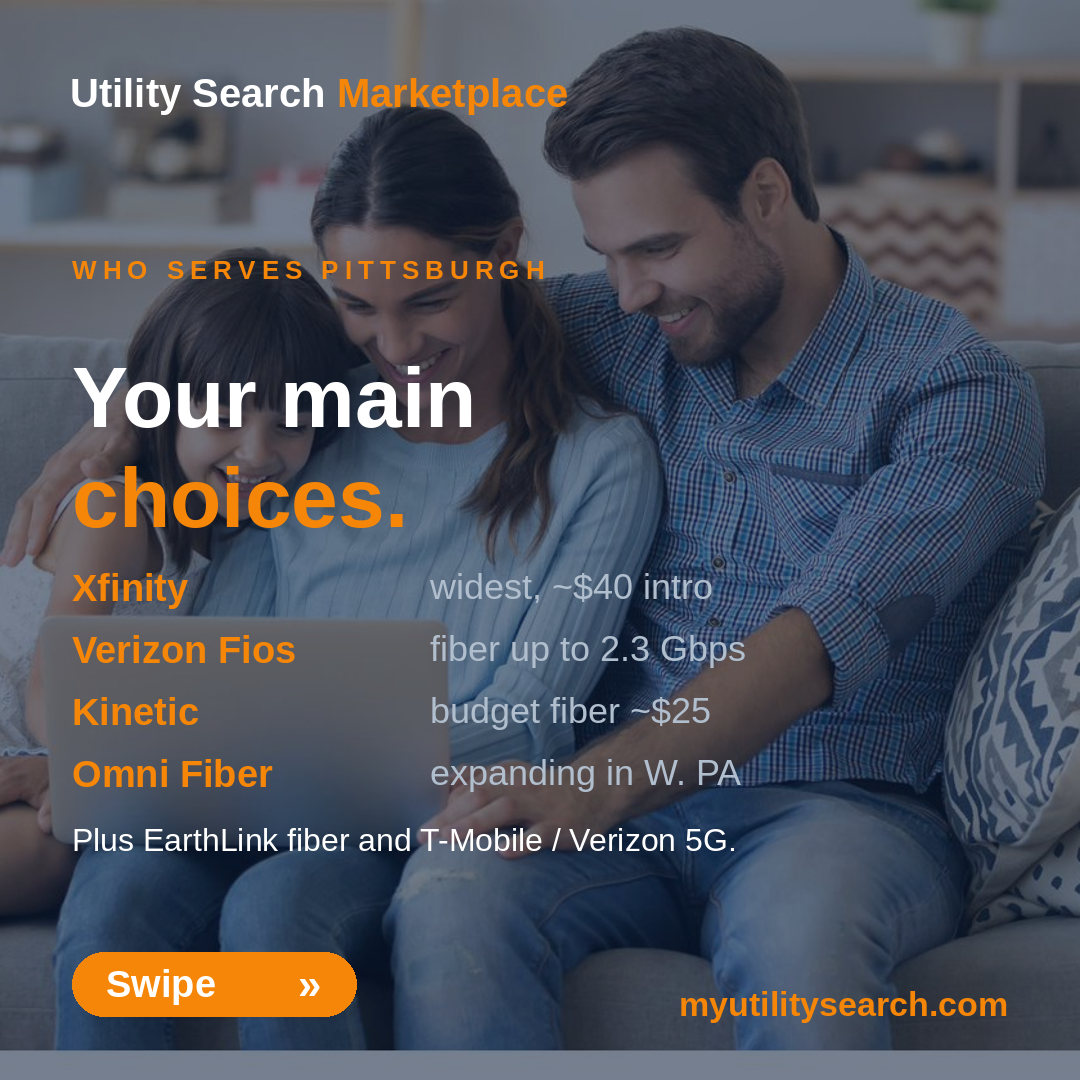

Utility Search | Partnerships











Utility Search | Marketplace
With over 20 years in consumer services, our Utility Expert connects homeowners with the nation’s largest providers — covering both city and rural markets — to make shopping for energy, internet, security, warranty, and water simple, informed, and always free to the customer.
Why Choose Us

Best Service
Partnerships with the most trusted national brands ensure reliable coverage and quality.

Reputation
Two decades of experience helping millions of households make confident choices.

Informed Shopping
Transparent tools and side-by-side comparisons empower customers to pick what’s right for them.

Utility Search | Essential Services




Partner With Utility Search
Join the marketplace that helps households shop energy, internet, security, warranty, and water in one place — and earn for every successful enrollment you send our way.
New Revenue Streams
Earn commission on every successful enrollment driven through your audience.
Simple Integration
Embed our shopping experience or use a co-branded page — lightweight setup, no heavy lifting.
Five Services, One Partner
Electricity, internet, security, warranty, and water — more ways to convert a single visitor.
You can shop directly in the website, or have live conversations with Utility Search’s experts via email or phone call.
Utility Search researches providers at your new address, compares options with you, then offers to either transfer you to a live agent now or schedule a callback for later to sign up.
You get our service for free, because the service providers (internet, utility, phone plan, etc.) pay us a fee to introduce and connect new homeowners, renters, and businesses to their products and services.
We work with every phone, internet, water, gas, and other utility provider available at your address.
A quick chat with Utility Search’s experts will take about 10 mins to discover your needs and pivot to setting up the services that are important to you.
We don’t collect any sensitive personal information, nor does the live agent over the phone. Once you decide on your services, we direct you to an encrypted site to send your sensitive personal information directly to the providers, bypassing us entirely.
No! After a quick chat with me, I’ll offer you digital links to complete your shopping experience, but if preferred, we can transfer you to a dedicated human concierge familiar with your new address.
Yes, in some states, electric utility customers are able to choose their electricity supplier. This is known as electric choice or electricity deregulation. Currently, 19 states and Washington, D.C. have programs allowing customers to choose from a variety of competitive retail electric providers.
Not at all. Think of me as your free AI Utility Agent. If you want the help, I’ll help. If not, no problem — I’m here if you need me.
Yes — it is always 100% free to compare utilities on our platform. We are paid by our partner providers, never by you. You can compare utilities, switch providers, and start saving without spending a dime.
Most customers can compare utilities and complete a switch in under 10 minutes. Our specialists are available at (844) 437-9527 to walk you through exactly how to compare utilities in your area.
You can compare utilities in all deregulated states including Texas, Illinois, Ohio, Pennsylvania, New York, New Jersey, Maryland, Connecticut, and New Hampshire. If you’re unsure whether you can compare utilities where you live, our experts can help right away.
When you compare utilities, you gain the power to choose the best deal. Many customers who compare utilities discover they’ve been overpaying for years. It only takes a few minutes to compare utilities and potentially save hundreds of dollars annually. Always compare utilities before renewing your current plan.
Energy is the ability to do work or cause change. It powers everything — from running machines and lighting homes to moving our bodies.
Kinetic Energy: Energy of motion (e.g., a moving car).
Potential Energy: Stored energy (e.g., a stretched rubber band).
Thermal Energy: Heat from the movement of particles.
Chemical Energy: Stored in bonds of molecules (e.g., gasoline, food).
Electrical Energy: Flow of electrons, used to power devices.
Energy cannot be created or destroyed, only transformed from one form to another — like sunlight being converted into electricity.
Example: The sun’s energy is captured by solar panels and converted into electricity, which can then be used to power your lights.
Fossil Fuels: Coal, oil, natural gas.
Renewables: Solar, wind, geothermal, hydroelectric, biomass.
Nuclear Energy: Uses uranium to generate electricity.
Renewables come from naturally replenishing sources like the sun and wind. They don’t run out and generate minimal greenhouse gas emissions.
Renewable: Replenishes naturally (e.g., solar, wind).
Non-renewable: Finite and will eventually run out (e.g., coal, oil).
The average U.S. household uses about 10,500 kWh per year, primarily for heating, cooling, lighting, appliances, and electronics.
Turn off lights when not in use.
Use energy-efficient appliances and LED bulbs.
Drive less or use fuel-efficient vehicles.
Adjust thermostats and seal home leaks.
Examples include LED bulbs, smart thermostats, Energy Star appliances, and high-efficiency HVAC systems.
A carbon footprint measures the greenhouse gases produced by a person, home, or business.
Reduce it by: using renewable energy, driving less, recycling, and improving energy efficiency.
Coal/Natural Gas: ~$0.05–$0.10 per kWh
Solar/Wind: ~$0.02–$0.06 per kWh (declining rapidly)
Nuclear: ~$0.09–$0.13 per kWh
In the U.S., about 22% of electricity now comes from renewable sources — a number that continues to grow each year.
1.Transportation – cars, planes, shipping.
2. Industrial – factories and manufacturing.
3. Residential & Commercial – homes and offices.
Yes. Shopping around allows you to compare rates, contract types, and providers to find the best deal for your household or business. Many deregulated states give consumers the power to choose a provider that fits their budget and preferences.
Definitely. Energy costs, plan types, and renewable options can vary widely between providers. Comparing plans ensures you get the best rate and terms for your needs.
1. How is energy produced and delivered?
2. What impact does my energy usage have on the environment?
3. What options do I have to control my energy costs?
We use energy for heating/cooling, transportation, powering appliances and electronics, and industrial/manufacturing processes.
Energy-efficient products such as LED bulbs, smart thermostats, and Energy Star-rated appliances offer the best return on investment for reducing energy costs.
Fixed-rate plans often provide predictable, stable costs over time. Autopay discounts or budget billing options from providers can also help lower or stabilize monthly expenses.
Currently, solar and wind are among the cheapest energy sources due to declining production costs and renewable energy incentives.
The cost of electricity depends on location, seasonal demand, and wholesale prices. The cheapest provider can change frequently. The best way to find the current lowest-cost option is to enter your ZIP code on energy comparison sites like Choose Energy.
The best supplier depends on your needs. Consider provider ratings, plan types, usage requirements, and green energy options. Comparison sites provide unbiased reviews to help make an informed decision.
Fixed-rate plans offer stable pricing and predictable bills, while variable-rate plans may offer lower costs during periods of low demand but can rise when demand increases. The best plan depends on whether you prioritize price stability or short-term flexibility.
In deregulated states, you can compare and select from multiple energy providers. Look at plan rates, contract terms, renewable energy options, and provider reviews before making a choice.
Key factors include customer reviews, rates (fixed vs. variable), contract length, and renewable energy options. Using comparison tools like Choose Energy helps narrow down the best options in your area.
In the U.S., about 22% of electricity now comes from renewable sources — a number that continues to grow each year.
1.Transportation – cars, planes, shipping.
2. Industrial – factories and manufacturing.
3. Residential & Commercial – homes and offices.
Trusted External Resources
Learn More From Government & Industry Authorities
We link to authoritative, non-commercial sources so you can make confident, informed decisions about your home utilities.