





Utility SearchMarketplace
With Utility Search experts, we give homeowners a smarter way to shop the biggest essentials — energy, internet, security, warranty, and water — so every move-in or upgrade becomes a simple, informed decision that saves money and adds peace of mind.
Compare Utilities and Save on Energy, Internet, Security & Home Services
From Our Blog

Dish Network Bankruptcy 2026: What It Means for Your TV, Internet & Who to Switch To
Jul 4, 2026Utility Search | Partnerships









Utility Search | Marketplace
With over 20 years in consumer services, our Utility Expert connects homeowners with the nation’s largest providers — covering both city and rural markets — to make shopping for energy, internet, security, warranty, and water simple, informed, and always free to the customer.
Why Choose Us

Best Service
Partnerships with the most trusted national brands ensure reliable coverage and quality.

Reputation
Two decades of experience helping millions of households make confident choices.

Informed Shopping
Transparent tools and side-by-side comparisons empower customers to pick what’s right for them.

Utility Search | Essential Services



Partner With Utility Search
Join the marketplace that helps households shop energy, internet, security, warranty, and water in one place — and earn for every successful enrollment you send our way.
New Revenue Streams
Earn commission on every successful enrollment driven through your audience.
Simple Integration
Embed our shopping experience or use a co-branded page — lightweight setup, no heavy lifting.
Five Services, One Partner
Electricity, internet, security, warranty, and water — more ways to convert a single visitor.
Availability is set address by address, not just by city or ZIP. Enter your ZIP or address to see the internet providers actually serviceable where you live, then compare plans and prices side by side. Start at our high-speed internet hub.
Two ways: check the FCC Broadband Map for coverage, or use our ZIP tool to see real plans and prices. Coverage can change street to street, so always confirm at your exact address. See how to find providers in your area.
Confirm what is serviceable at your address, compare plans, and schedule installation of the new service before canceling the old one so you avoid a gap in service.
Fiber gives symmetrical speeds and the best uploads; cable is fast for downloads and widely available; 5G home internet is wireless and quick to install where wired options are limited. Compare them in our fiber vs cable vs 5G guide.
Yes. Comparing providers and plans on Utility Search is completely free, with no obligation to switch.
Comparing takes just a few minutes. Switching depends on the provider and whether an installation is needed, typically a few days to about two weeks.
T-Mobile 5G Home Internet is a low-cost, no-contract option (often around $50/mo with no equipment fees) that works best where the 5G signal is strong; speeds vary by location and network load. It’s easiest to justify where wired fiber or cable is limited. Compare it in our fiber vs cable vs 5G guide.
Verizon offers two very different products: Fios fiber (excellent — symmetrical speeds, no data caps) and 5G Home (a solid wireless option where signal is strong). Which you can get depends entirely on your address.
5G home internet delivers your home connection wirelessly over a 5G cellular network using a gateway you set up yourself — there’s no wired line run to the house. It installs in minutes and is usually contract-free, but real-world speed depends on signal strength at your address.
Some providers offer low-income plans, and 5G home internet is often among the cheapest no-contract options. Enter your ZIP to compare the lowest-priced plans actually serviceable at your address.
In deregulated states you can shop your rate. Compare the per-kWh price and fees on each plan’s Electricity Facts Label, and watch for teaser rates that jump after a few months. Start at our deregulated energy hub.
In deregulated states like Texas, Pennsylvania, Ohio, Illinois, New York, and New Jersey you can choose your electricity supplier. Find your state hub here.
Prepaid, or pay-as-you-go, electricity has no deposit or credit check; you pay before you use power. It suits some households, but always check the per-kWh rate against fixed-rate plans.
Rates track seasonal demand and are usually lower in the mild shoulder months. Locking a fixed rate helps you avoid summer price spikes.
In deregulated markets, yes — you pick your electricity supplier while your local utility still delivers the power and handles any outages.
Comparing ensures you are on the best available rate and terms. Utility rates and promos change often, so the plan you first signed up on may no longer be competitive.
In deregulated states, shop for a lower per-kWh rate and lock a fixed rate before summer; then cut usage from big draws like AC, space heaters, and older appliances. See why your bill may be high.
The average U.S. household spends roughly $120–$180 a month, but it varies widely by state, usage, and your rate. In deregulated markets you can often lower it by switching suppliers.
Yes — a typical 1,500-watt space heater can add meaningfully to your bill when run for hours, and it’s a common reason winter bills spike. Use them sparingly and compare your rate.
The best system depends on whether you want DIY or professional installation, self or professional monitoring, and whether you will accept a contract. Compare options at our home security hub.
Expect equipment costs plus a monthly monitoring fee. DIY systems can start low with no contract, while professionally installed and monitored systems cost more per month.
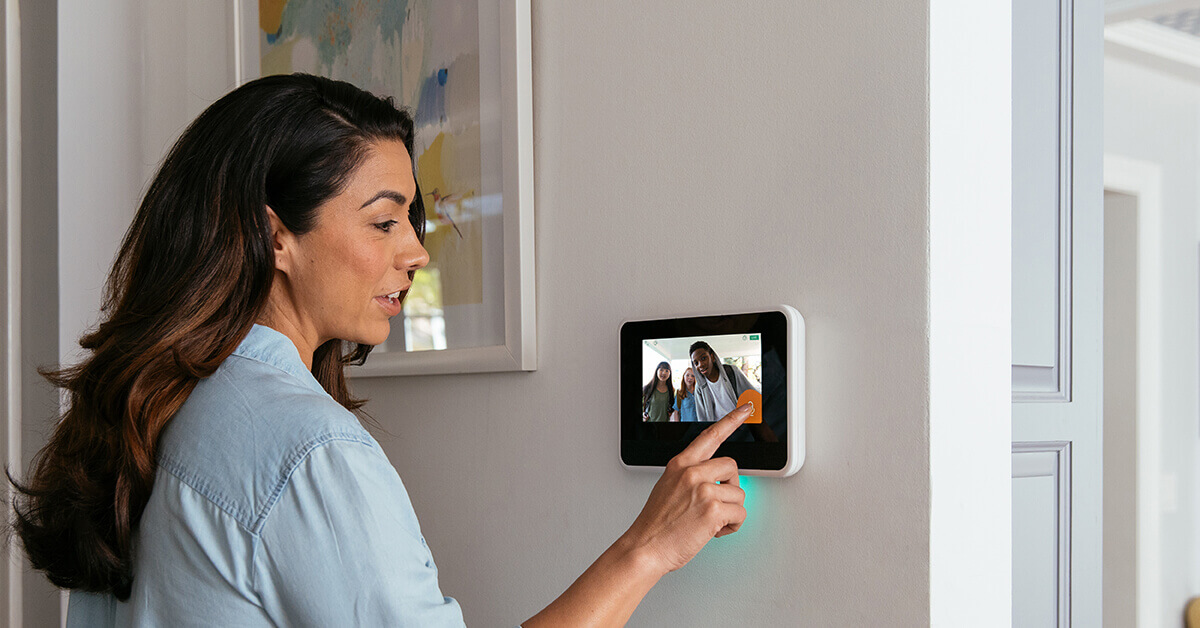
Sensors on doors, windows, and motion points connect to a hub that alerts you and, with monitoring, a response center. Cellular backup keeps it working if the internet or power goes out.
Often yes. Many insurers offer a discount for a monitored system — keep the monitoring certificate to give your insurer.
Some do and some don’t. Professionally monitored plans may include a contract, while many DIY systems offer month-to-month monitoring you can cancel anytime.
DIY monitoring is cheaper and flexible; professional monitoring adds 24/7 response and can qualify for insurance discounts. Choose based on your budget and how hands-on you want to be.
Vivint is a professionally installed, professionally monitored smart-home security system, well regarded for its equipment and app — though it typically involves financing or a contract. Compare it against DIY options at our home security hub.
Ring is a popular DIY choice known for its video doorbells and cameras, with affordable optional monitoring and no contract. It’s a good fit if you’re comfortable self-installing.
Lock doors and windows, add a visible camera or video doorbell, use motion-sensor lighting, avoid advertising when you’re away, and consider a monitored system for alerts and possible insurance discounts.
Trusted External Resources
Learn More From Government & Industry Authorities
We link to authoritative, non-commercial sources so you can make confident, informed decisions about your home utilities.