Blog
Fiber vs Cable vs 5G Home Internet: Which Is Best? (2026)


Updated on September 19, 2026
Fiber vs cable vs 5G: which is best?
Fiber is the best connection type for most households because it offers symmetrical upload and download speeds and the lowest latency, which matters for video calls, gaming, and large uploads. Where fiber isn’t available, cable is the strongest widely available option, and 5G home internet is a solid no-contract alternative. Your real choice is decided by what’s serviceable at your exact address, so start there.
Fiber vs cable vs 5G vs satellite: side-by-side
| Type | Typical download | Upload | Latency | Availability | Best for |
|---|---|---|---|---|---|
| Fiber | 300 Mbps–5 Gbps | Symmetrical | Lowest | Growing, city/suburb-weighted | Video calls, gaming, uploads — the top pick |
| Cable | 100 Mbps–2 Gbps | Much lower than download | Low | Very wide | Fast downloads where fiber isn’t offered |
| 5G Home | 100–300+ Mbps | Variable | Medium, varies by tower | Expanding fast | No-contract backup; weak-wired areas |
| Satellite (Starlink) | 50–250 Mbps | Low | Higher than wired | Nationwide, rural focus | Rural addresses with no wired option |
What is fiber internet?
Fiber delivers data as light through glass strands, giving symmetrical upload and download speeds and the lowest latency of any home technology. That makes it ideal for video conferencing, VPNs, cloud backups, and gaming. The catch is availability: fiber is expensive to build, so it’s concentrated in cities and suburbs — though its footprint is expanding quickly in 2026. If fiber is at your address, it’s almost always the right choice.
What is cable internet?
Cable runs over the same coaxial lines as cable TV and reaches the large majority of U.S. homes, making it the most available high-speed option. Downloads are fast (gigabit plans are common), but uploads are typically much slower, and speeds can dip at peak evening hours. Many cable plans also carry data caps. For many households cable is perfectly good — see our guide to Xfinity internet, the largest cable provider, and to data caps and overage fees.
What is 5G home internet?
5G home internet delivers broadband wirelessly from a cellular tower to a small gateway in your home — no wiring, no technician, online in minutes. Plans typically run 100–300+ Mbps for a flat monthly price, usually with no contract and no data caps. Because speeds ride on the cellular network, they can fluctuate with tower load and weather, so it suits light-to-moderate use better than all-day, high-stakes video.
Fiber vs cable vs 5G vs satellite (Starlink)?
Satellite internet is the fallback for rural addresses with no wired option. Modern low-earth-orbit service like Starlink delivers workable speeds for most tasks, though latency is higher than wired connections. If you have no fiber, cable, or strong 5G, satellite may be your best — or only — choice. See whether Starlink is worth it for your situation.
Fiber vs cable vs 5G: how to choose the best connection for your home
Start with what’s actually serviceable at your address, then match it to how you use the internet:
| Your situation | Best pick |
|---|---|
| Heavy video calls, big uploads, gaming | Fiber if available; cable if not |
| Everyday streaming and browsing | Cable or 5G home both work well |
| Want no contract / quick self-install | 5G home internet |
| Rural or no wired service | 5G home if strong signal; otherwise satellite |
Check the FCC Broadband Map or enter your ZIP to see which technologies are available where you live. Not sure how fast your current connection is? Run our free internet speed test to see your real download and upload speeds. Working from home? See our guide to the best internet for working from home, and compare 1 Gig internet plans if you need top speed.
Compare internet, energy & home security at your address
Fiber vs cable vs 5G FAQ
Fiber vs cable vs 5G: is fiber or cable better?
Fiber is better for most uses — uploads match downloads and latency is lower, which matters for calls, gaming, and VPNs. Cable works well too but has slower uploads and possible peak-hour slowdowns and data caps.
Fiber vs cable vs 5G: can 5G replace cable?
For light-to-moderate use, yes — 5G home internet handles streaming, browsing, and everyday video calls with no contract. For heavy simultaneous use or all-day high-stakes video, a wired connection is more consistent.
Why are cable upload speeds so slow?
Cable networks were designed to prioritize downloads, so upload bandwidth is a fraction of download. Fiber, by contrast, is symmetrical — uploads as fast as downloads.
Fiber vs cable vs 5G: which has the lowest latency?
Fiber has the lowest latency, followed by cable. 5G home varies by tower load, and satellite has the highest latency because the signal travels to orbit and back.
How do I know what is available at my address?
Availability varies street by street. Check the FCC Broadband Map or enter your ZIP code to see which providers and technologies serve your exact address.
Keep going
- Ting fiber — a symmetrical gig checked live in Charlottesville — $89 plus a $4.77 passthrough
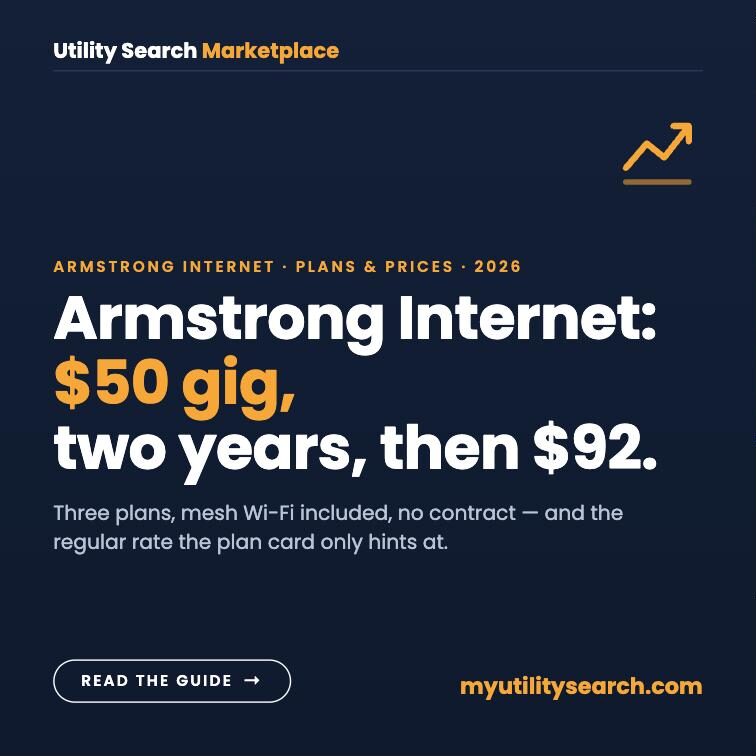
- Armstrong internet — a real example of 1,000/20 cable and 1,000/1,000 fiber sold under the same plan name
- Xfinity internet: plans, prices & availability
- Spectrum internet: plans, prices & availability
- Optimum internet: plans, prices & availability
- AT&T Fiber internet: plans, prices & availability
- Best internet for working from home
- 1 Gig internet plans explained
- Is Starlink worth it in 2026?
- Test your internet speed
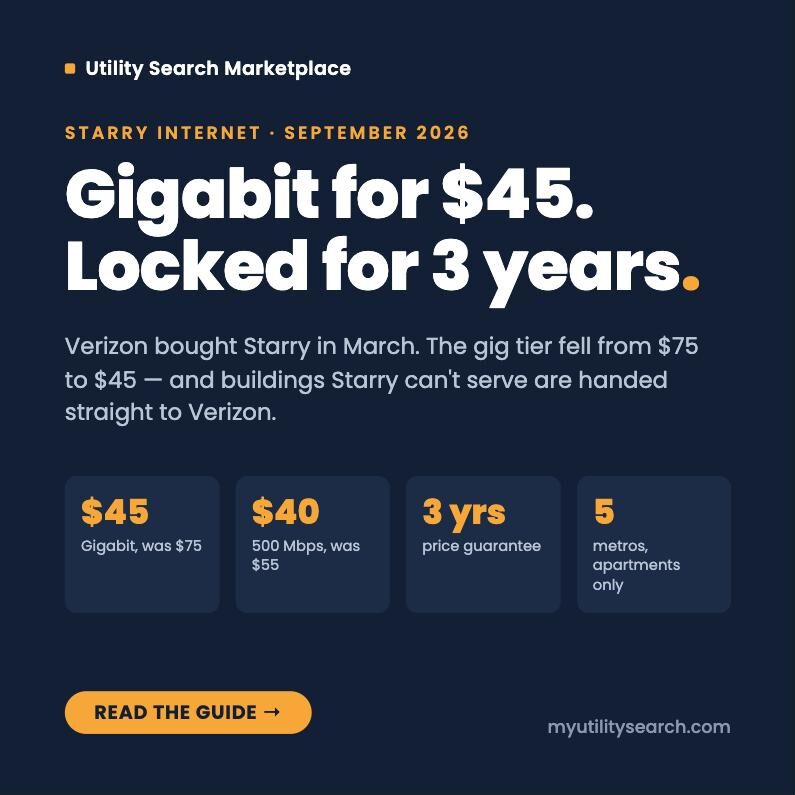
- Starry internet — fixed wireless that sells a gigabit tier, and why the 50 Mbps upload is the catch