Blog
Reverse Osmosis System Cost in 2026: Is It Worth It?

Updated on October 1, 2026
7 min read
A reverse osmosis system cost runs about $300 to $950 for an under-sink unit installed, or $4,800 to $8,000 for a whole-house system — plus $50 to $250 a year in filters. Whether it’s worth it comes down to your water: if you have contaminated, hard, or high-TDS water — especially well water or PFAS in your area — reverse osmosis is one of the most effective fixes you can buy. On already-clean city water, a cheaper filter may do the job.
TL;DR
- reverse osmosis system cost: about $300–$950 for an under-sink system installed; $4,800–$8,000 whole-house.
- Ongoing cost: $50–$250 a year in filters; the membrane lasts 2–5 years.
- It removes 99.99% of total dissolved solids — PFAS, lead, arsenic, nitrates and more.
- Worth it if your water is contaminated, hard, high-TDS, or from a well; less essential on clean municipal water.
- Trade-offs: it wastes several gallons per filtered gallon (efficient models cut this) and strips beneficial minerals.
What is a reverse osmosis system?
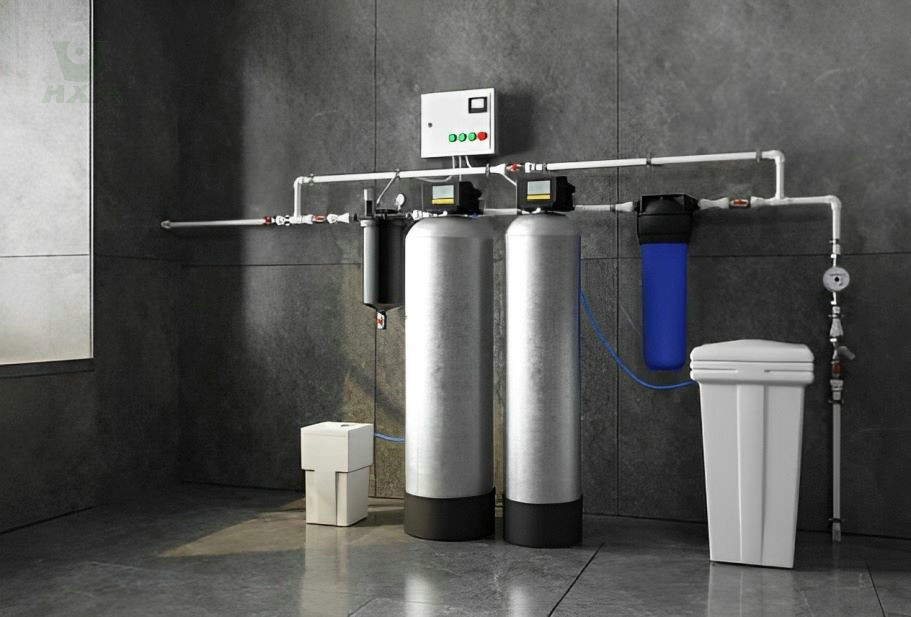
Definition — reverse osmosis (RO): a filtration method that pushes water through a semipermeable membrane fine enough to block roughly 99% of dissolved contaminants, leaving purified water on the other side. The most common setup is a point-of-use system installed under the kitchen sink that feeds a dedicated faucet; whole-house RO treats every tap but costs far more.
How much does a reverse osmosis system cost?
The reverse osmosis system cost depends mostly on where it sits in your plumbing. Here are typical 2026 prices.
| System | Typical 2026 cost |
|---|---|
| Under-sink RO (unit only, DIY) | $150–$600 |
| Under-sink RO (installed) | $300–$950 |
| Whole-house RO (installed) | $4,800–$8,000 |
| Professional installation labor | $150–$500 |
| Annual filters & maintenance | $50–$250 / year |
For most households the practical choice is an under-sink system, which is why the typical all-in reverse osmosis system cost lands in the few-hundred-dollar range rather than the thousands a whole-house unit commands.
What drives the reverse osmosis system cost?
Four things move the number: system type (point-of-use is far cheaper than whole-house), the number of filter stages, whether it’s a tankless high-flow model, and installation complexity. Add-ons like a remineralization stage or a permeate pump raise the price, and ongoing filter and membrane replacements make up the long-run reverse osmosis system cost.
Compare internet, energy & home security at your address
Is a reverse osmosis system worth it?
Reverse osmosis is worth it when your water actually needs it. If you’re on well water, have high TDS or hardness, or your area has PFAS, lead, arsenic, or nitrate issues, RO is one of the most thorough point-of-use fixes available — and the reverse osmosis system cost is easily justified against years of bottled water. If your municipal water already tests clean and just has minor taste or chlorine issues, a cheaper carbon pitcher or faucet filter may be enough.
- Worth it for: well water, high TDS or hardness, PFAS or lead in your area, or anyone wanting near-bottled purity from the tap.
- Maybe skip if: your city water tests clean and you only want better taste — a $30–$60 filter can handle that.
Before you spend anything, test what is actually in your water. Our guide on whether your tap water is safe to drink walks through how to check for PFAS, lead, nitrates, and hardness with your utility’s annual report or an inexpensive home test — and that result is what tells you whether a reverse osmosis system is worth it for your home or overkill.
Where reverse osmosis makes the most sense
Reverse osmosis isn’t equally useful everywhere, and the market shows it. Residential systems are the single largest slice of RO sales — around 45% of the market, per industry research — and U.S. household adoption has climbed past 60%, concentrated where tap water gives people a real reason to filter.
Demand clusters in a few situations: hard-water and high-TDS regions, coastal areas dealing with saltwater intrusion, farm and rural country on well water, and older cities with aging pipes. That is why states like California, Texas, Florida, New York, and the industrial Midwest lead residential RO adoption.
The takeaway for your own decision: if you are in one of those buckets — well water, hard or high-TDS water, coastal saltwater intrusion, or PFAS and lead concerns — reverse osmosis is where the cost is easiest to justify. If your municipal water already tests clean, a simpler filter usually wins.
How much can a reverse osmosis system save you?
The clearest way to judge the reverse osmosis system cost is against what you already spend on bottled water. A household buying a couple of cases a week can spend $300 to $500 a year — often more than an under-sink system costs up front.
At roughly $0.03 to $0.10 per gallon filtered, an RO system typically pays for itself within the first year or two, then keeps saving every month after. For families on well or high-TDS water the payback is even faster, because the realistic alternative is buying bottled water indefinitely.
What does reverse osmosis remove?
RO removes about 99.99% of total dissolved solids, which covers most of what worries people about tap water:
- PFAS and PFOA (“forever chemicals”)
- Heavy metals: lead, arsenic, mercury, chromium
- Nitrates and many other dissolved chemicals
- Bacteria such as E. coli, plus excess salt and minerals
One caveat: RO also strips beneficial minerals like calcium and magnesium, which is why some systems add a remineralization stage. It’s also slower than a standard filter and, in older designs, wastes 4–5 gallons of water for every filtered gallon — though efficient tankless models cut that dramatically.
Reverse osmosis vs other water filters
Reverse osmosis is the most thorough option for dissolved contaminants, but it’s not the only choice. A whole-house filter treats every tap and protects appliances but is less effective on dissolved solids like PFAS; a pitcher or faucet filter is the cheapest and improves taste but removes far less. Which one you need depends on what’s actually in your water — check that first with our tap water safety guide.
How to lower your reverse osmosis system cost
You can trim the reverse osmosis system cost without giving up quality. Buying the unit yourself and installing it — most under-sink kits are a one- to two-hour DIY job — skips the $150 to $500 labor charge.
Pick an efficient tankless model to cut water waste, buy replacement filters in multipacks or on a subscription, and skip whole-house RO unless you genuinely need every tap treated. Above all, match the system to what is actually in your water so you only pay for the stages you need.
Ongoing reverse osmosis system cost and maintenance
Budget $50 to $250 a year for upkeep. Filter cartridges ($20 to $100) get swapped every 6 to 12 months, and the RO membrane lasts 2 to 5 years before it needs replacing. Even with maintenance, filtered water works out to roughly $0.03 to $0.10 per gallon — a fraction of bottled water, which is a big part of why the reverse osmosis system cost pays off over time for households that need it.
Compare internet, energy & home security at your address
The bottom line on reverse osmosis system cost
For most homes, the reverse osmosis system cost is a few hundred dollars for an under-sink unit plus $50 to $250 a year — a small price if your water needs it. The deciding factor isn’t the sticker price; it’s your water quality. Test what’s in your tap, and if you find PFAS, lead, high TDS, or well-water contaminants, reverse osmosis is one of the best-value fixes available. If your water is already clean, put the money toward a simpler filter and skip the extra stages.
Frequently asked questions about reverse osmosis system cost
How much does a reverse osmosis system cost?
A reverse osmosis system cost is about $300 to $950 for an under-sink unit installed, or $4,800 to $8,000 for a whole-house system, plus $50 to $250 a year in filters.
Is a reverse osmosis system worth it?
It’s worth it if your water is contaminated, hard, high-TDS, or from a well, or if your area has PFAS or lead. On already-clean municipal water, a cheaper carbon filter may be enough.
How much does it cost to maintain an RO system per year?
Ongoing maintenance runs $50 to $250 a year — filter cartridges every 6 to 12 months and an RO membrane every 2 to 5 years.
Does reverse osmosis remove PFAS and lead?
Yes. Reverse osmosis removes about 99.99% of total dissolved solids, including PFAS, lead, arsenic, nitrates, and many other contaminants.
Can I install a reverse osmosis system myself?
Most under-sink RO systems are designed for DIY installation in one to two hours, which removes the $150 to $500 labor cost and is the easiest way to lower your reverse osmosis system cost.
Does reverse osmosis waste a lot of water?
Older systems waste 4 to 5 gallons per filtered gallon, but efficient tankless models cut that close to 1:1. It’s the main trade-off to weigh against the reverse osmosis system cost.
Keep going
- Water filter system guide: picks by contaminant
- Whole house water filter cost
- Is your tap water safe to drink?
- Find the utilities at your address
By the Utility Search Marketplace Team · Last updated August 6, 2026. Sources: 2026 home-services pricing guides; contaminant information from the U.S. EPA.