Blog
How to Lower Electric Bill in Winter: 9 Proven Ways (2026)

10 min read
Bottom line: here is how to lower electric bill in winter: do three things in this order: set your thermostat back 7–10°F while you sleep or are away, seal the drafts that leak your heat, and lock a fixed electricity rate before your utility’s default price resets. Homes that heat with electricity are on track to pay more this winter, so the order matters.
Key takeaways: how to lower electric bill in winter
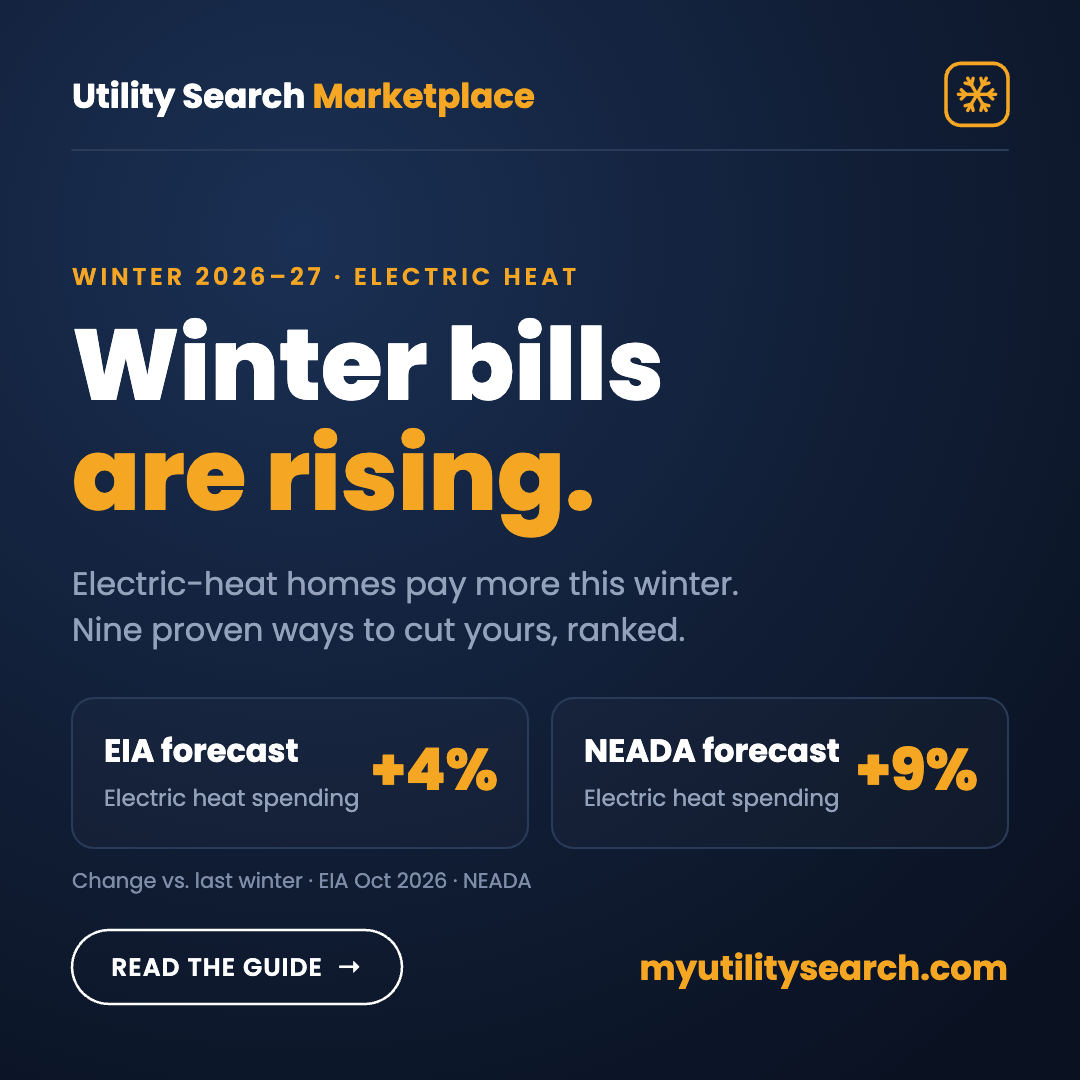
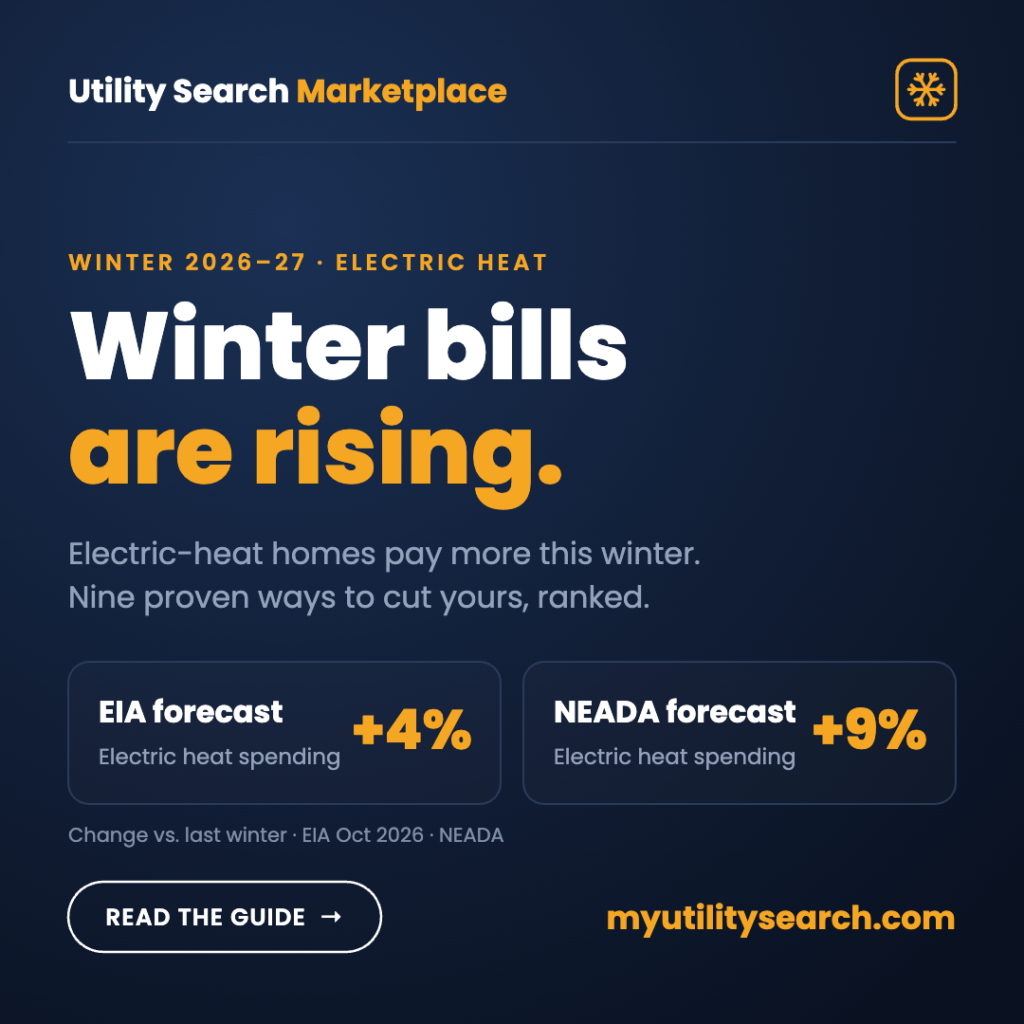
- EIA expects homes that heat with electricity to spend about 4% more this winter; the energy-assistance directors’ group (NEADA) projects 9% more.
- The fastest free move: a 7–10°F thermostat setback for 8 hours a day, which the Department of Energy says can save up to 10% a year on heating and cooling.
- The biggest one-time move: air sealing plus insulation, which ENERGY STAR puts at about 15% off heating and cooling costs.
- The money move most people miss: in Pennsylvania, default electricity prices reset on December 1, and PECO and PPL have proposed increases of roughly 10%. Shopping your supply rate is the part of the bill you control.
Why is your electric bill higher in winter?
Knowing why the bill rises is the first step in how to lower electric bill in winter. Your electric bill climbs in winter for two reasons: you use more electricity, and in many states the price per kWh goes up at the same time. Heating is the largest energy load in most homes, and short days add hours of lighting.
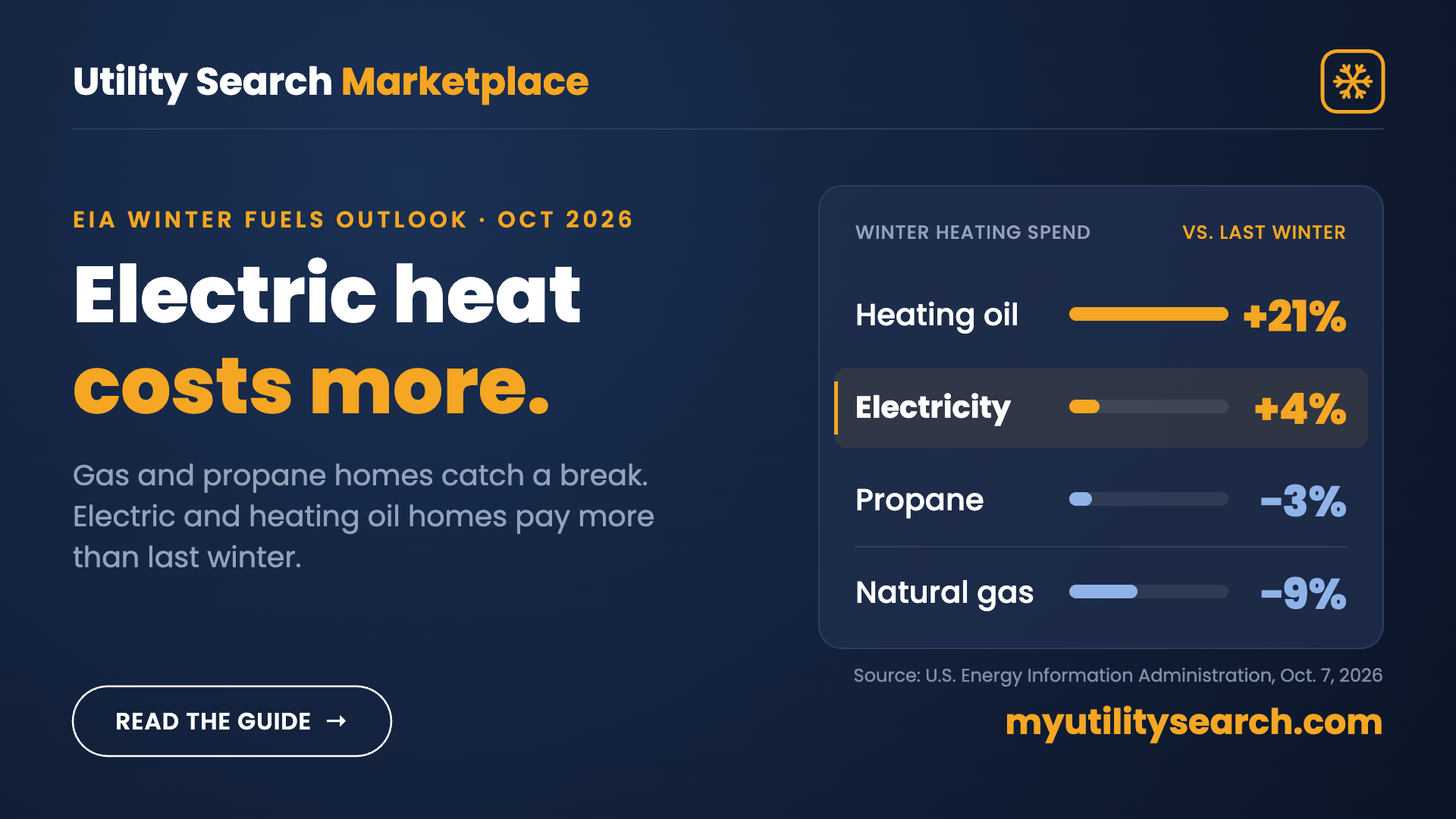
The price side is getting worse this year. EIA’s 2026–27 Winter Fuels Outlook, released in early October, expects electricity and heating oil to cost more than last winter while natural gas and propane cost less.
That split shapes how to lower electric bill in winter, because more than 40% of U.S. homes heat with electricity, according to EIA. If your heat is a heat pump, electric furnace or baseboard heaters, you are in the group paying more.
Winter 2026–27 heating cost forecast by fuel
Before deciding how to lower electric bill in winter, it helps to see the forecast. Here is how this winter’s heating bills are expected to change compared with last winter, from the two forecasts most utilities and regulators cite.
| Main heating fuel | EIA forecast (Oct 2026) | NEADA projection | Share of U.S. homes |
|---|---|---|---|
| Electricity | +4% spending | +9% spending | 40%+ (EIA) |
| Natural gas | −9% spending | +5.8% spending | About 46% |
| Propane | −3% spending | — | Small share, mostly rural |
| Heating oil | +21% spending | +31.3% spending | About 3%, mostly Northeast |
The two forecasts differ because they use different price and weather assumptions, but they agree on the direction for electric heat: up. NEADA puts the average U.S. household’s heating cost at about $1,030 for the season, $82 more than last winter.
What is the “Price to Compare”? In Pennsylvania, the Price to Compare is the default price your utility charges for the electricity itself (supply), per kWh, if you have not chosen a supplier. It resets on June 1 and December 1. If you can get a lower fixed rate from a licensed supplier, you pay that instead. Delivery charges stay with your utility either way.
The December 1 price change: why timing matters
If you live in a deregulated state, the rate is central to how to lower electric bill in winter. Your electricity rate is the one cost you can change this week, and the clock matters. Pennsylvania’s utilities reset their default supply prices on December 1, right as heating season starts.
Here is what three of the largest utilities have filed or posted for the six months starting December 1, 2026. These are proposed figures pending final approval and can shift slightly.
| Utility | Price to Compare now | Proposed from Dec 1, 2026 | Change |
|---|---|---|---|
| PECO (Philadelphia area) | 11.759¢/kWh | 12.944¢/kWh | +10.1% |
| PPL Electric | 13.08¢/kWh | 14.428¢/kWh | +10.3% |
| Penelec | 13.14¢/kWh | 13.56¢/kWh | +3.2% |
For a PECO customer using 700 kWh a month, the supply portion alone goes from about $82 to about $91. That is before the extra heating usage of January and February.
The move is simple: compare fixed-rate offers against your new Price to Compare before your December bill. Our Pennsylvania Price to Compare guide lists every utility’s current rate.
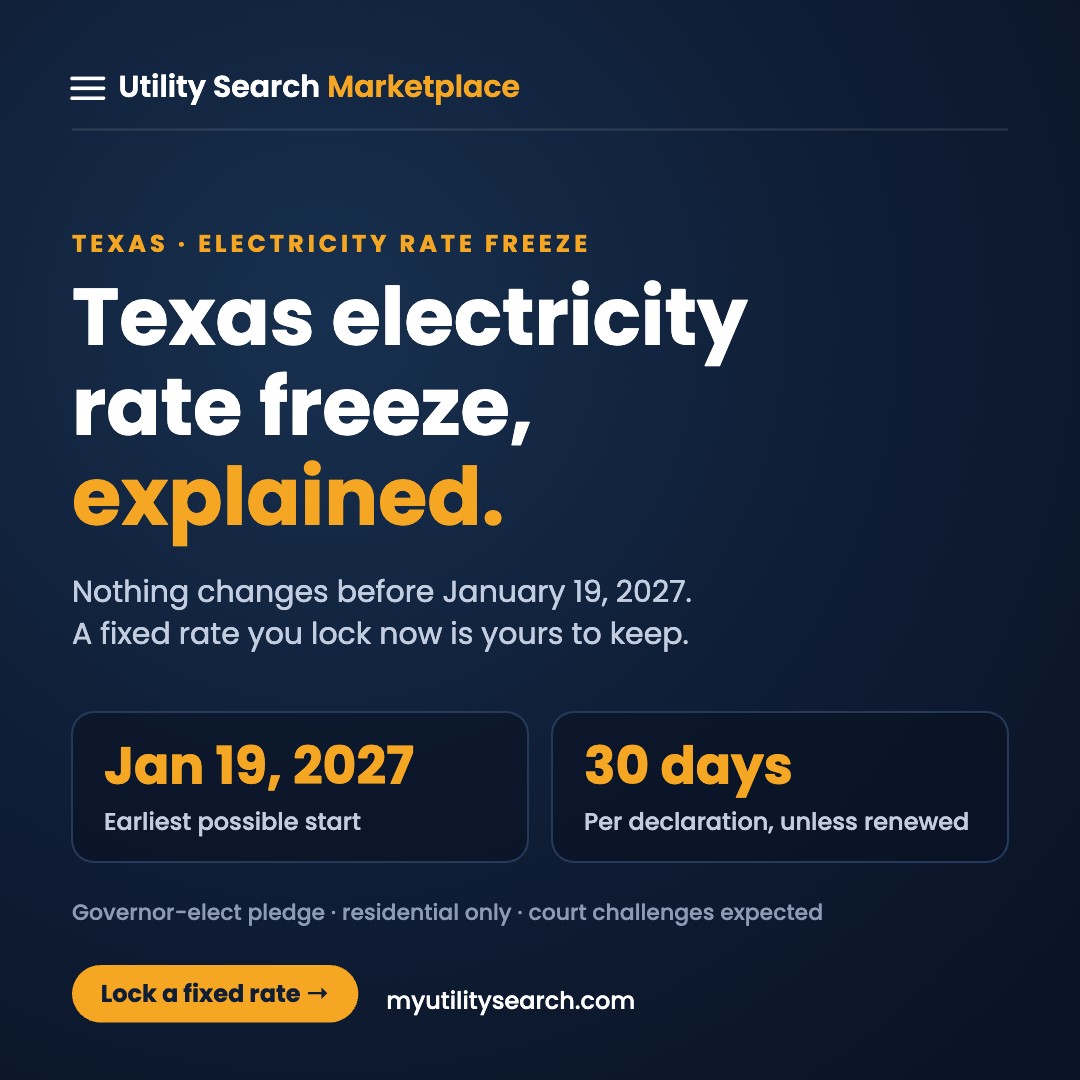
Ohio, Illinois, Maryland, New Jersey and Texas also let you choose your supplier, on their own schedules. Texas has no default utility rate at all, so a plan that expires in winter can roll onto a much higher month-to-month price.
Compare internet, home warranty & home security at your address
How to lower electric bill in winter: 9 proven ways
Here is how to lower electric bill in winter, step by step. These are ranked by how much they save for the effort. The first four cost nothing; the last few take a weekend or a small purchase.
1. Set your thermostat back 7–10°F for 8 hours a day
The Department of Energy says you can save as much as 10% a year on heating and cooling by turning the thermostat back 7–10°F from its normal setting for 8 hours a day. DOE suggests about 68°F while you are home and awake.
The easiest 8 hours are while you sleep, which makes it the simplest answer to how to lower electric bill in winter. A programmable or smart thermostat does it automatically, so you never wake up to a cold house.
Heat pump owners: DOE notes that deep programmed setbacks are generally not recommended for heat pumps, because recovering from a big setback can trigger expensive backup strip heat. Use a smaller setback of 2–3°F, or a thermostat made for heat pumps.
2. Seal the drafts before you buy anything
ENERGY STAR estimates that air sealing and adding insulation saves an average of 15% on heating and cooling costs, about 11% of the total energy bill. In the coldest northern climate zones, its estimate rises to 18–20% of heating and cooling.
Sealing is how to lower electric bill in winter for good, not just this season. Start with the cheap fixes: weatherstripping on exterior doors, caulk around window frames, foam gaskets behind outlet covers on outside walls, and a cover on the attic hatch. A $20 kit covers most homes.
3. Turn your water heater down to 120°F
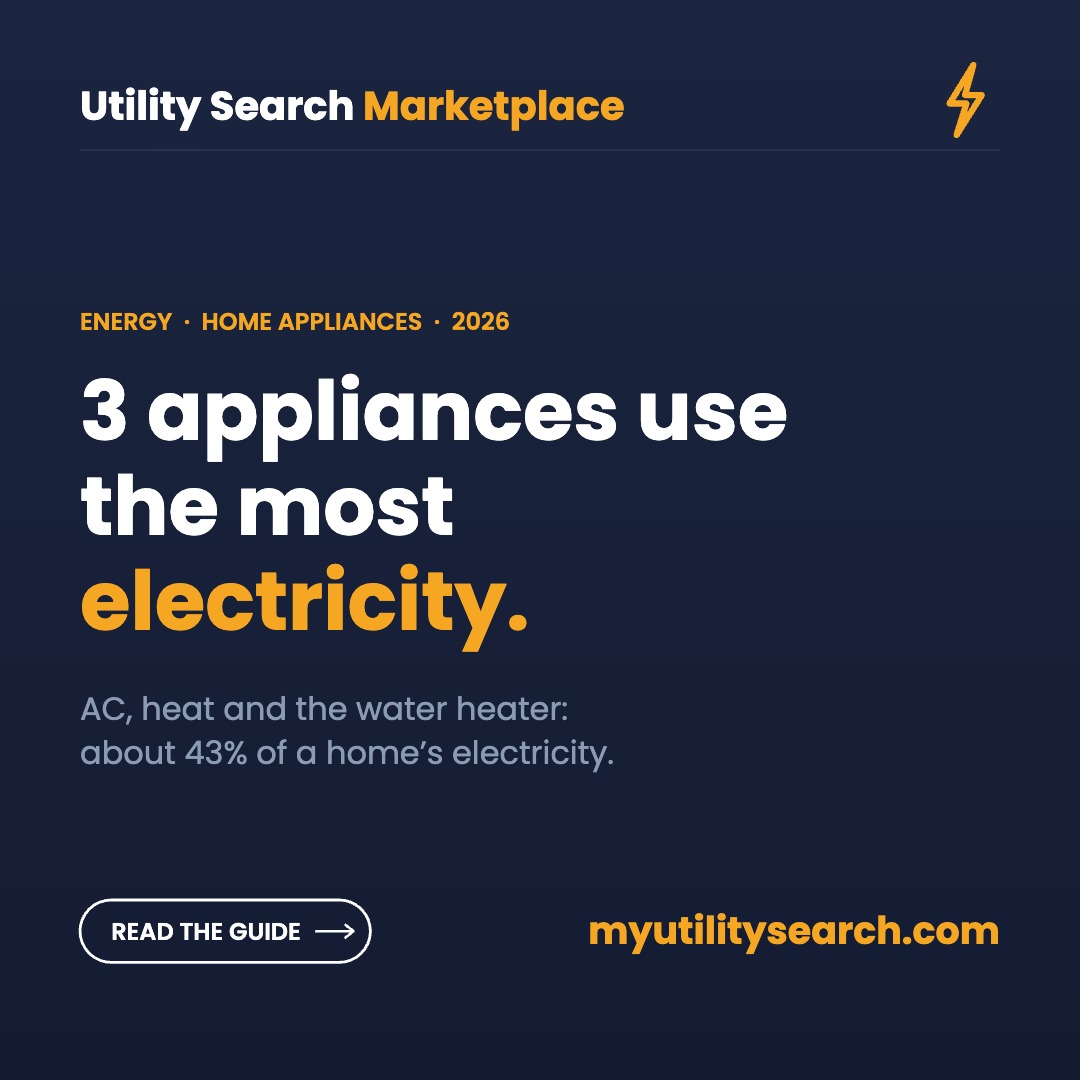
Water heating is about 18% of a home’s energy use, the second-biggest load after heating, per DOE. Small settings changes are an underrated part of how to lower electric bill in winter. Many tanks ship set at 140°F, and DOE says 120°F is enough for most households.
If your water heater is electric, this is a direct cut to your electric bill all year, and it lowers the risk of scalding.
4. Use space heaters for one room, not the whole house
Space heaters are often misunderstood when people look up how to lower electric bill in winter. A typical space heater draws 1,500 watts. Run for 8 hours, that is 12 kWh a day, about $1.68 at 14¢ per kWh, or roughly $50 a month for one heater.
That is cheaper than heating an empty house to 70°F, but more expensive than a central heat pump doing the same job. Use one only to warm the room you are in while the thermostat is set back.
5. Lock a fixed electricity rate before your plan or default price changes
Usage cuts are only half of how to lower electric bill in winter. In deregulated states, the supply rate is often half or more of the bill, and it is the one part you can shop. A fixed rate locked before a December reset protects you through the coldest months, when usage peaks.
Check two dates on your bill: when your current plan ends, and when your utility’s default price changes. If either lands in winter, compare offers now.
6. Let the sun in, then keep the heat in
Free solar heat is one of the oldest tips on how to lower electric bill in winter. Open south-facing curtains on sunny days and close all curtains at sunset. Heavy or insulated curtains cut heat loss through windows at night, which is free heat you already paid for.
7. Reverse your ceiling fans
Set ceiling fans to spin clockwise on low in winter. That pushes warm air that collects near the ceiling back down, so you can keep the thermostat a degree or two lower and feel the same. It is a two-second fix and a classic answer to how to lower electric bill in winter.
8. Change the furnace or heat pump filter
A clogged filter makes your system run longer for the same heat. Check it monthly in winter and replace it at least every three months; it takes two minutes and costs a few dollars, making it the cheapest maintenance step in how to lower electric bill in winter.
9. Ask your utility about budget billing and assistance
Billing tools belong in any plan for how to lower electric bill in winter. Budget billing does not lower what you use, but it spreads winter’s spikes across 12 months so January does not break your budget. If you are behind, ask about payment plans and the federal LIHEAP program before a disconnection notice, not after.
How much can these steps lower electric bill in winter?
Here is what the official estimates say about how to lower electric bill in winter for a home that heats with electricity. Savings overlap, so they do not simply add together.
| Step | Official estimate | Cost | Source |
|---|---|---|---|
| Thermostat setback 7–10°F, 8 hrs/day | Up to 10% a year on heating and cooling | Free (or a $30–$150 thermostat) | DOE |
| Air sealing + insulation | About 15% of heating and cooling (11% of total) | $20 DIY to a few thousand for attic insulation | ENERGY STAR |
| Water heater to 120°F | Part of the 18% of energy used for hot water | Free | DOE |
| Fixed rate below your default price | Depends on the gap; PECO and PPL defaults are rising about 10% Dec 1 | Free to compare | Utility filings |
For most electric-heat homes working out how to lower electric bill in winter, the setback plus sealing alone can more than cancel out this winter’s forecast increase. Shopping your rate is how you get ahead of it.
Paying too much for electricity?
Compare supply offers in your utility territory against your default rate.
Frequently asked questions
What is the cheapest way to lower electric bill in winter?
The cheapest answer to how to lower electric bill in winter is a thermostat setback: turning the heat down 7–10°F for 8 hours a day while you sleep or are away. The Department of Energy says that can save up to 10% a year on heating and cooling, and it costs nothing.
Why is my electric bill so high in winter?
Heating uses more electricity than anything else in most homes, and winter brings longer nights. In many deregulated states the price per kWh also resets higher on December 1. This winter, EIA expects electric-heat homes to spend about 4% more.
What temperature should I keep my house in winter to save money?
The Department of Energy suggests about 68°F while you are awake and home, and 7–10°F lower while you sleep or are away. Heat pump owners should use smaller setbacks to avoid triggering backup heat.
Is it cheaper to use a space heater or central heat?
A space heater is cheaper only for heating one room while the rest of the house is set back. A 1,500-watt heater uses about 12 kWh in 8 hours, roughly $1.68 a day at 14¢ per kWh.
Should I lock in a fixed electricity rate before winter?
Yes, if you live in a deregulated state and your plan or default price changes in winter, comparing fixed rates before that date protects you from paying a higher price during your highest-usage months.
Compare internet, home warranty & home security at your address
Sources
- U.S. Energy Information Administration: Winter Fuels Outlook 2026–27 (Today in Energy, Oct 7, 2026)
- NEADA 2026–27 winter heating projection, via ConsumerAffairs
- U.S. Department of Energy: Programmable thermostats
- ENERGY STAR: Seal and insulate savings methodology
- U.S. Department of Energy: Water heating
- PECO December 2026 Price to Compare filing
- PPL Electric Price to Compare history and December 2026 proposal
- Pennsylvania Public Utility Commission
Keep going
- Why is my electric bill so high? What’s driving it and what you control
- Pennsylvania Price to Compare: every utility’s current default rate
- Average electric bill by state
- Do data centers raise electric bills?
- Shop electricity in Pennsylvania
- Why is my AC bill so high? The summer version of this guide