Blog
Electric Rates Are Going Up Across the Country in 2026 — Which States Are Affected and How to Offset the Increase

ENERGY · NATIONWIDE · RATE ALERT
By The Utility Search Marketplace Team · 20+ years in consumer home services
If your electricity bill looks higher this year, you are not imagining it. Electric rate increases 2026 are landing in states across the country, and for many households the jump is showing up right now on spring and summer bills. The good news: depending on where you live, there are concrete steps you can take to offset the increase.
The 30-second version
Hundreds of utilities have raised, been approved for, or proposed rate increases. Several states are seeing hikes land this spring. If your state is deregulated, you may be able to switch suppliers and lock in a lower rate. If it is regulated, the focus shifts to usage, billing, and assistance programs.
How widespread are the 2026 electric rate increases?
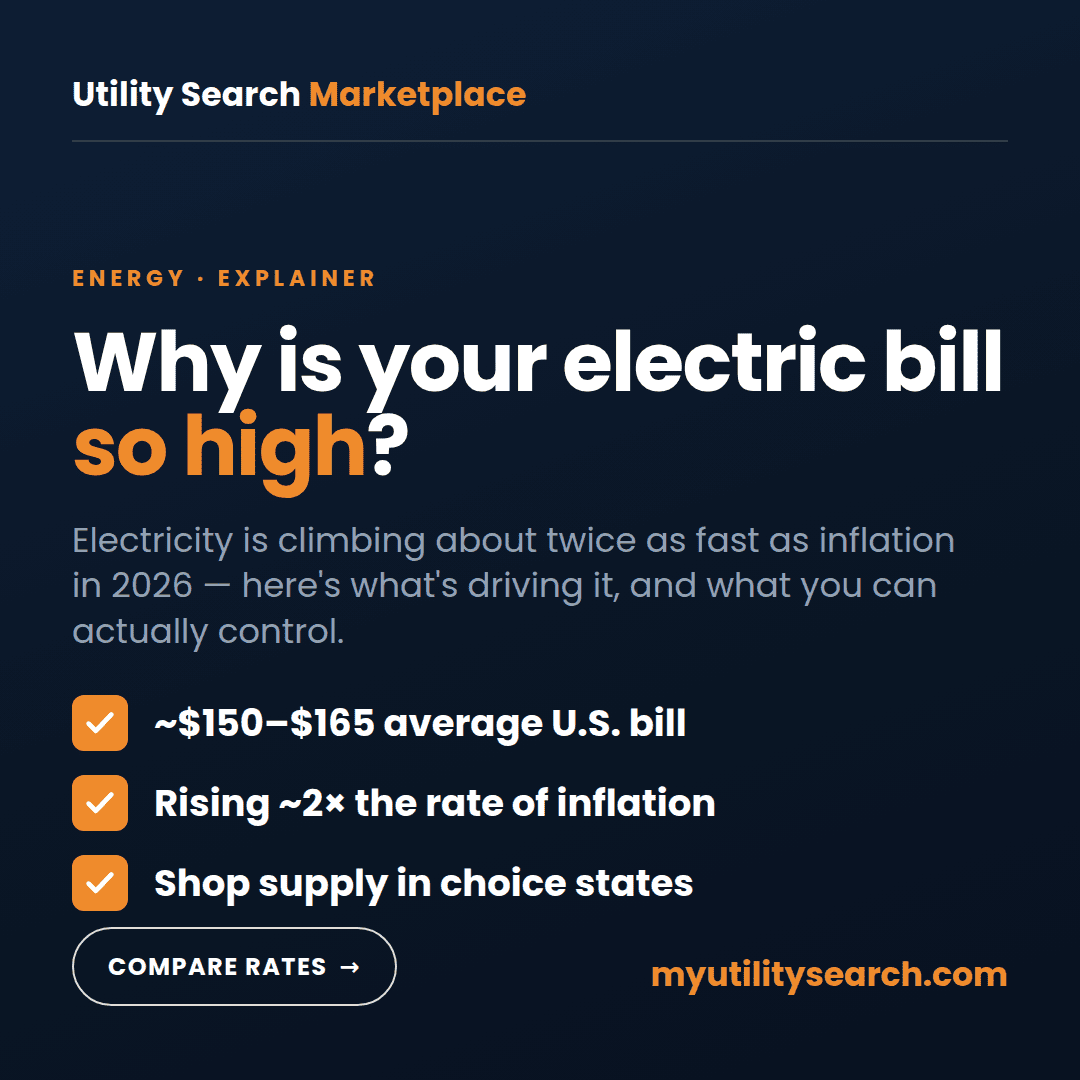
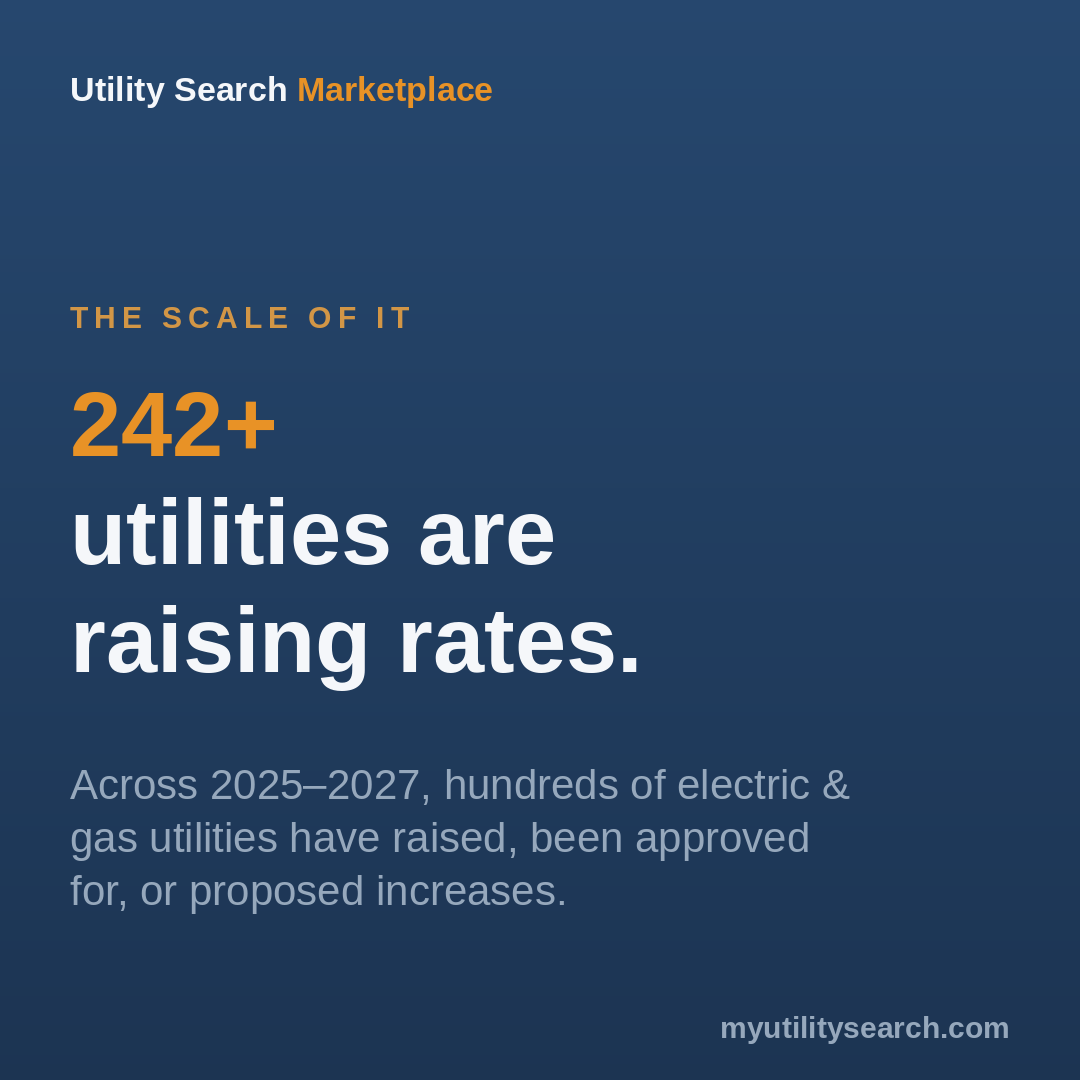
The short answer: very. Across 2025 through 2027, more than 242 electric and gas utilities have raised rates, been approved for increases, or formally proposed them. These electric rate increases 2026 are not isolated to one region — they stretch from the Midwest to the West Coast, driven by grid upgrades, fuel costs, and rising demand. National retail price data tracked by the U.S. Energy Information Administration shows the same upward trend. For a household, the practical effect is the same almost everywhere: the per-kilowatt-hour price you pay is trending up.
Which states are seeing electric rate hikes land this spring?
Several states have approved increases taking effect in spring 2026. Here are a few that illustrate the scale of the 2026 electric rate hikes:
Michigan — Consumers Energy: about +$6.46/month (+6.1%), effective May 1, 2026.
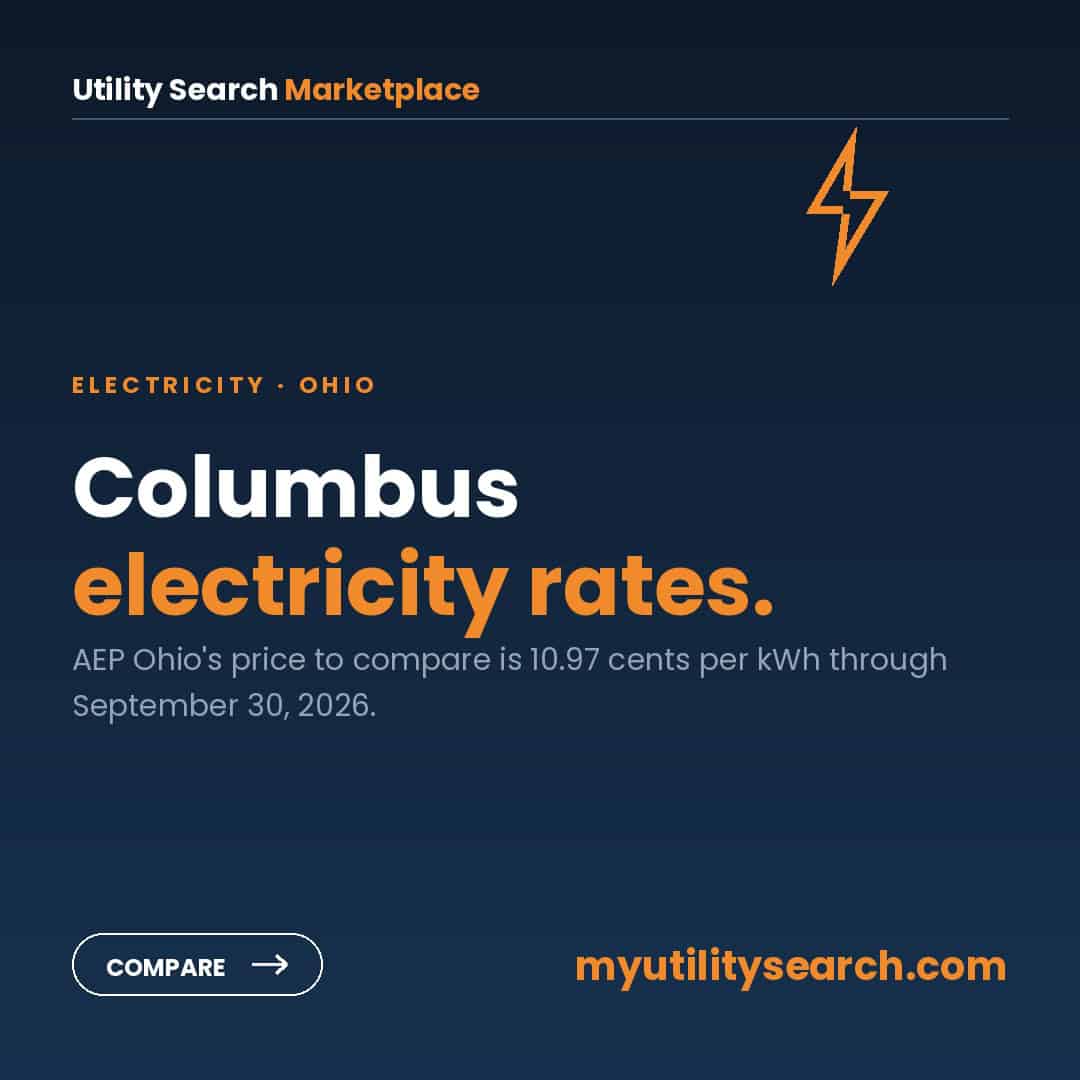
Ohio — AEP Ohio: about +$7.90/month, effective April 1, 2026.
Oregon — Portland General Electric: about +$8/month (+5%); Pacific Power customers see roughly +3%.
These are representative examples, not a complete list. The takeaway is that electric rates going up is a nationwide pattern in 2026, not a local one.
Can I do anything about my rate increase?
Yes — though your options depend on whether your state is regulated or deregulated. In a regulated state, you cannot choose your supplier, so the levers you control are usage, billing plans, and assistance programs. Tightening up energy use, asking your utility about budget billing, and checking eligibility for low-income or weatherization assistance can all help offset the increase. It is also worth reviewing your bill line by line; errors and unnecessary add-on charges are more common than people expect.
How do I offset the increase if my state is deregulated?
If you live in a deregulated state, you can shop for your electricity supplier while your utility still delivers the power. That means you may be able to switch electricity suppliers and lock in a fixed rate that beats the utility’s default price — one of the most direct ways to offset a rate increase.
Watch the fine print
Compare the fixed rate, the contract length, and any early-termination fee before you sign. A teaser rate that jumps after a few months can erase your savings. Read the terms, not just the headline price.
Already reviewing your bills? Don’t stop at electricity
If you are already auditing your electricity bill to offset these electric rate increases 2026, it is a good moment to look at your other recurring services too. Natural gas, internet, and home services often have the same room for savings — and reviewing them together takes only a little extra time.
Compare your real options
See what plans are actually available at your address and what you could save. It is free to you — providers pay us.
Paying Too Much for Electricity?
Rates change constantly, and loyalty rarely pays. Compare electricity plans available at your address — fixed-rate, variable, and green options, side by side.
Frequently asked questions
Why are electric rates going up across the country in 2026?
Electric rates going up in 2026 reflects a mix of grid modernization spending, higher fuel and capacity costs, and rising electricity demand. Utilities file for increases with their state regulators, and once approved, the new rates show up on customer bills.
Which states have electric rate increases in spring 2026?
Examples of spring 2026 electric rate hikes include Michigan (Consumers Energy), Ohio (AEP Ohio), and Oregon (Portland General Electric and Pacific Power). Many more utilities nationwide have increases approved or proposed.
Can I switch electricity suppliers to offset a rate increase?
In deregulated states, yes. You can switch electricity suppliers to lock in a fixed rate while your existing utility continues to deliver power and handle service. In regulated states, supplier choice is not available, so you focus on usage and assistance programs instead.
Will switching suppliers interrupt my power?
No. Switching suppliers changes who you buy your electricity from, not who delivers it. Your local utility still maintains the lines and restores power during outages, so there is no interruption when you switch.
Do I need my Social Security number to compare electricity plans?
No. You do not need to provide a Social Security number simply to compare available electricity plans and rates at your address.
A note on our sources
The figure of 242+ utilities raising rates draws on rate-tracking work compiled by energy policy researchers, including trackers maintained by groups such as the Center for American Progress and the Natural Resources Defense Council. State-level figures come from filings with each state’s public utility commission.
Keep going
myutilitysearch.com · (844) 437-9527 · Free to you — providers pay us
Live in one of the states above? Start with our Michigan energy guide or the New Hampshire energy guide — or jump straight to Connecticut, Maryland, or Massachusetts.
August 1, 2026 Electric Rate Increases — Northeast Update (updated August 4, 2026)
Effective August 1, 2026, several Northeast utilities raised their basic-service (supply) electricity rates. In Massachusetts, Eversource’s basic service rose from 15.6 to 17.3 cents/kWh (about 11%), and National Grid’s fixed option jumped from 15.372 to 17.185 cents/kWh. Utilities cite a cold winter that spiked natural-gas demand plus global energy-market instability. The utility earns no profit on the supply charge — it is a pass-through — and only customers on basic service (roughly a quarter of Massachusetts households) are directly affected. Anyone on municipal aggregation or a competitive supplier can shop and lock a different rate.
| Utility | Old (¢/kWh) | New (¢/kWh) | Change | Effective |
|---|---|---|---|---|
| Eversource (basic) | 15.6 | 17.3 | ~ +11% | Aug 1, 2026 |
| National Grid (fixed) | 15.372 | 17.185 | steeper jump | Aug 1, 2026 |
| National Grid (variable) | 15.546 | 16.074 | smaller jump | Aug 1, 2026 |
Northeast Electric Rate Increase 2026: FAQ
Why are my electric rates going up in August 2026?
Utilities reset their supply (basic-service) rate on Aug 1, 2026; a cold winter drove up natural-gas demand and global energy-market instability pushed wholesale power costs higher. The utility passes this through at no profit.
Which Massachusetts utilities raised rates on August 1, 2026?
Eversource (to ~17.3 cents/kWh), National Grid (fixed to ~17.185 cents/kWh), and Unitil announced increases.
Can I avoid the electric rate increase?
Yes if you are on basic service — you can switch to a competitive energy supplier or join a municipal aggregation program to lock a different rate. Compare offers before your next cycle.
Does my utility profit from the higher supply rate?
No. The supply charge is a pass-through of the wholesale cost the utility pays; it earns no profit on it. Utilities profit on delivery, not supply.