






Blog
Cable Internet: How It Works, Speeds & Best Providers


Updated on August 20, 2026
Cable internet is a home broadband connection delivered over the same coaxial lines that carry cable TV. It is the most widely available fast internet in the U.S., with typical download speeds of 100–1,000 Mbps. It is cheaper and more available than fiber, but uploads are slower and bandwidth is shared across your neighborhood. TL;DR- Speeds: 100 Mbps to ~2 Gbps download; 10–35 Mbps upload.
- Availability: the most widely available wired broadband nationwide.
- Cost: usually cheaper than fiber; watch for data caps and price step-ups after 12 months.
- Best for: most households where fiber isn’t offered; heavy downloaders more than heavy uploaders.
What is cable internet?
Cable internet is broadband delivered over coaxial copper cable using the DOCSIS standard. A cable modem connects your home to the provider’s network through the same line used for cable television, which is why cable internet is available almost everywhere cable TV is.How does cable internet work?
Cable internet runs over the hybrid fiber-coaxial (HFC) network your cable company already operates. Fiber carries data to a neighborhood node, then coaxial cable covers the last stretch to your home. Modern networks use DOCSIS 3.1, which supports multi-gigabit downloads; the newer DOCSIS 4.0 adds much faster, more symmetrical uploads as providers upgrade. Because the coaxial segment is shared among nearby homes, cable internet speeds can dip during peak evening hours in a busy node — unlike fiber, which gives each home a dedicated line.How fast is cable internet?
- Download: commonly 100–1,000 Mbps; gigabit plans are widely sold, and some markets reach 2 Gbps.
- Upload: typically 10–35 Mbps on DOCSIS 3.1 — the main weakness versus fiber’s symmetrical speeds.
- Latency: low enough for gaming and video calls, though fiber is steadier under load.
Is Your Plan Keeping Up?
If your results are lower than you’re paying for, you may have faster options at your address. Compare internet plans available where you live — fiber, cable, and 5G, side by side.
Cable internet vs fiber vs 5G home internet
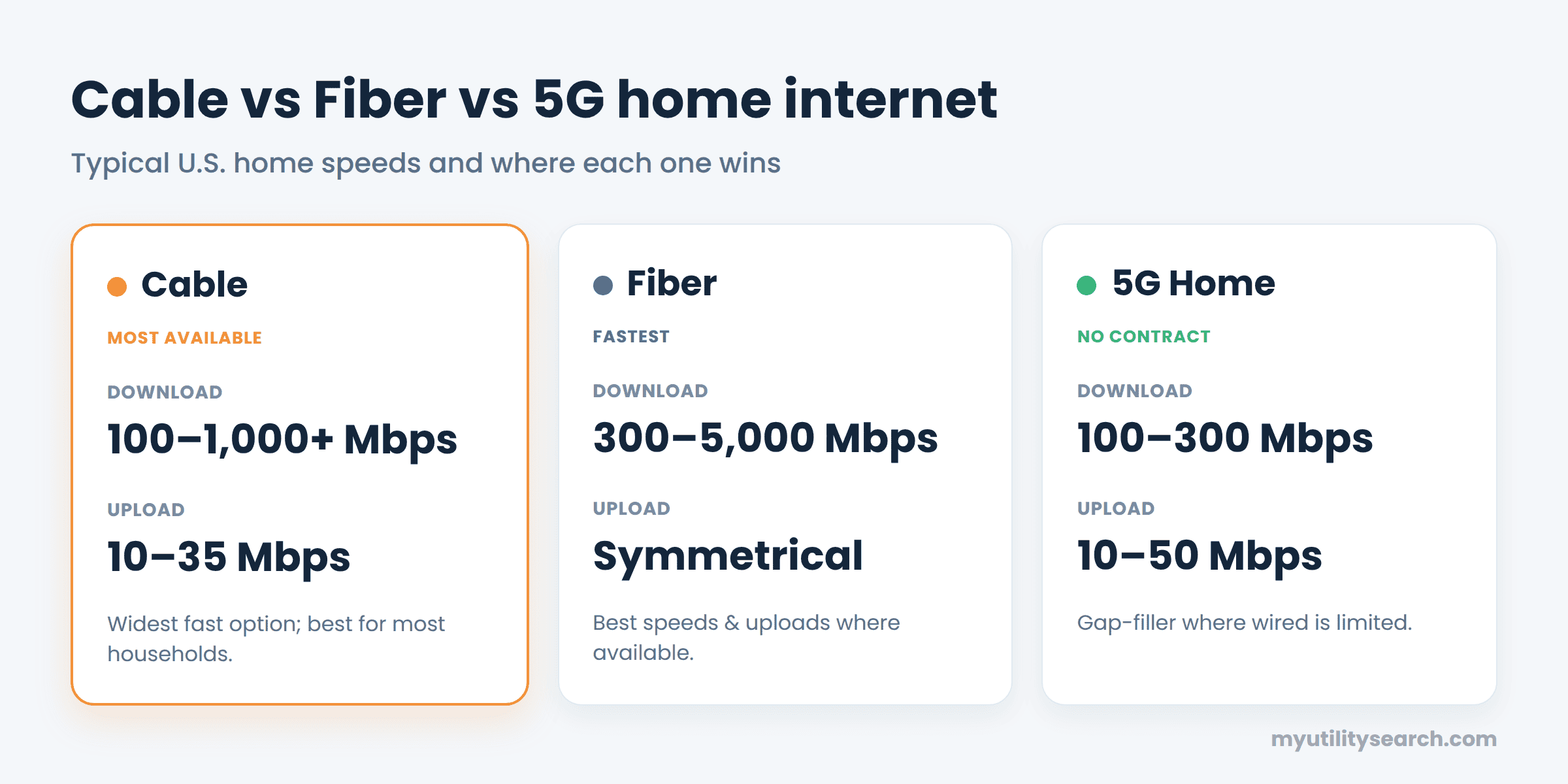
Thinking about leaving cable? See the full breakdown of cable internet alternatives — fiber, 5G home internet, and Starlink — compared at the address level.
| Connection | Typical download | Typical upload | Best for |
|---|---|---|---|
| Cable | 100–1,000+ Mbps | 10–35 Mbps | Widest fast option; most households |
| Fiber | 300–5,000 Mbps | Symmetrical | Fastest, best uploads, most reliable |
| 5G home | 100–300 Mbps | 10–50 Mbps | No-contract gap-filler where wired is limited |
Best cable internet providers
The three largest cable providers are Xfinity, Spectrum, and Cox. Availability is set by address — most homes have access to just one cable company. Confirm current promotional pricing on the provider’s site before you order.| Provider | Starting price* | Top speed | Data cap | Contract |
|---|---|---|---|---|
| Xfinity (Comcast) | From ~$30/mo | Up to 2 Gbps | 1.2 TB (most markets) | No-contract options |
| Spectrum | $49.99/mo | Up to 1 Gbps | None | No contract |
| Cox | From ~$30/mo | Up to 2 Gbps | 1.28 TB | No-contract options |
Does cable internet have data caps?
Some cable providers apply a monthly data cap — Cox is about 1.28 TB and Xfinity is 1.2 TB in some markets — and charge overage fees or sell an unlimited add-on; Spectrum has no cap. Most households stay under the cap, but 4K streaming across many devices can approach it. Learn how caps and overage charges work in our internet data caps and overage fees guide.How to find cable internet near me
Cable availability is set block by block. Enter your address on the FCC National Broadband Map to see which cable, fiber, and 5G providers serve your home, then compare plans. Start with our internet providers near me hub to check every option at your address. Authoritative availability data: FCC National Broadband Map.Cable internet FAQ
Is cable internet good?
Yes — for most households cable internet is fast, reliable, and widely available, with gigabit download plans in most markets. Its main trade-offs versus fiber are slower uploads and bandwidth shared with neighbors during peak hours.Is cable internet better than fiber?
Fiber is technically better — faster, symmetrical uploads, and more consistent — but it is available at fewer addresses. Cable internet is the better real-world choice when fiber isn’t offered at your home, which is common.How fast is cable internet?
Cable internet download speeds typically range from 100 Mbps to 1 Gbps, with 2 Gbps in some markets on DOCSIS 3.1. Uploads are usually 10–35 Mbps.Does cable internet have data caps?
Some providers cap data around 1.2–1.28 TB per month and charge for overages or sell an unlimited option; Spectrum has no cap. Most households don’t hit the limit.Keep going
By the MyUtilitySearch editorial team · Last updated July 2026. Methodology: plans, prices, and availability compiled from provider pages and the FCC National Broadband Map; verify current pricing before you order.Related Posts
Spectrum Price Increase 2026: Painful Hikes & Proven Fixes

The 2026 Spectrum price increase adds $10/mo to legacy internet plans. See who pays, why your bill went up, and 6 proven ways to fight back.
Sparklight’s $40 Gig Becomes a $95 Bill in Month 13 — and the Plan That Looks Overpriced Quietly Wins
Sparklight internet verified at a live address: 1 Gig $40 for 12 months then $95, while 300 and 600 Mbps carry 36-month locks. The reverse ladder, explained.

Verizon Fios Locks Your Price for Five Years — but Its Worst Tier Charges $65 for Half the Speed
All five Verizon Fios speed tiers, what each costs, and why the 500 Mbps plan at $65 is the one to skip — plus a five-year cost comparison against AT&T Fiber.

AT&T Cut Its Fiber Lineup to Four Tiers — and the Worst One Now Costs the Same as the Best
AT&T Fiber has four speed tiers as of June 2026: 300, 500, 1 GIG and 5 GIG. The 500 and the 1 GIG promote at the same $50, which makes one of them pointless.
Armstrong Internet: $50 Gig Held Two Years, and the $92 Regular Rate the Plan Card Only Hints At
Armstrong internet at a live Butler, PA address in September 2026: 1 Gig $50/mo for two years, 500 Mbps $49.95, 25 Mbps $34.95, mesh Wi-Fi and unlimited data included — plus the ~$92 regular rate, the $10.95 Wi-Fi fee and the cable-vs-fiber upload question.
Amazon Leo Pricing: What Is Confirmed, What Is Not, and How It Compares to Starlink
Amazon Leo pricing as of September 2026: no monthly plan yet, a sub-$400 dish target, a free waitlist, and the full Starlink comparison.
Xfinity vs Verizon: Data Caps, Speeds and Who Actually Wins in 2026
Xfinity vs Verizon, in short: Verizon Fios wins if you upload a lot or want a price lock, because fiber is symmetrical and Verizon adve...
Xfinity Internet Speed Tiers Explained
Xfinity internet speed tiers come in four national residential levels: 300 Mbps, 500 Mbps, 1 Gig and 2 Gig. Promotional pricing on Xfin...
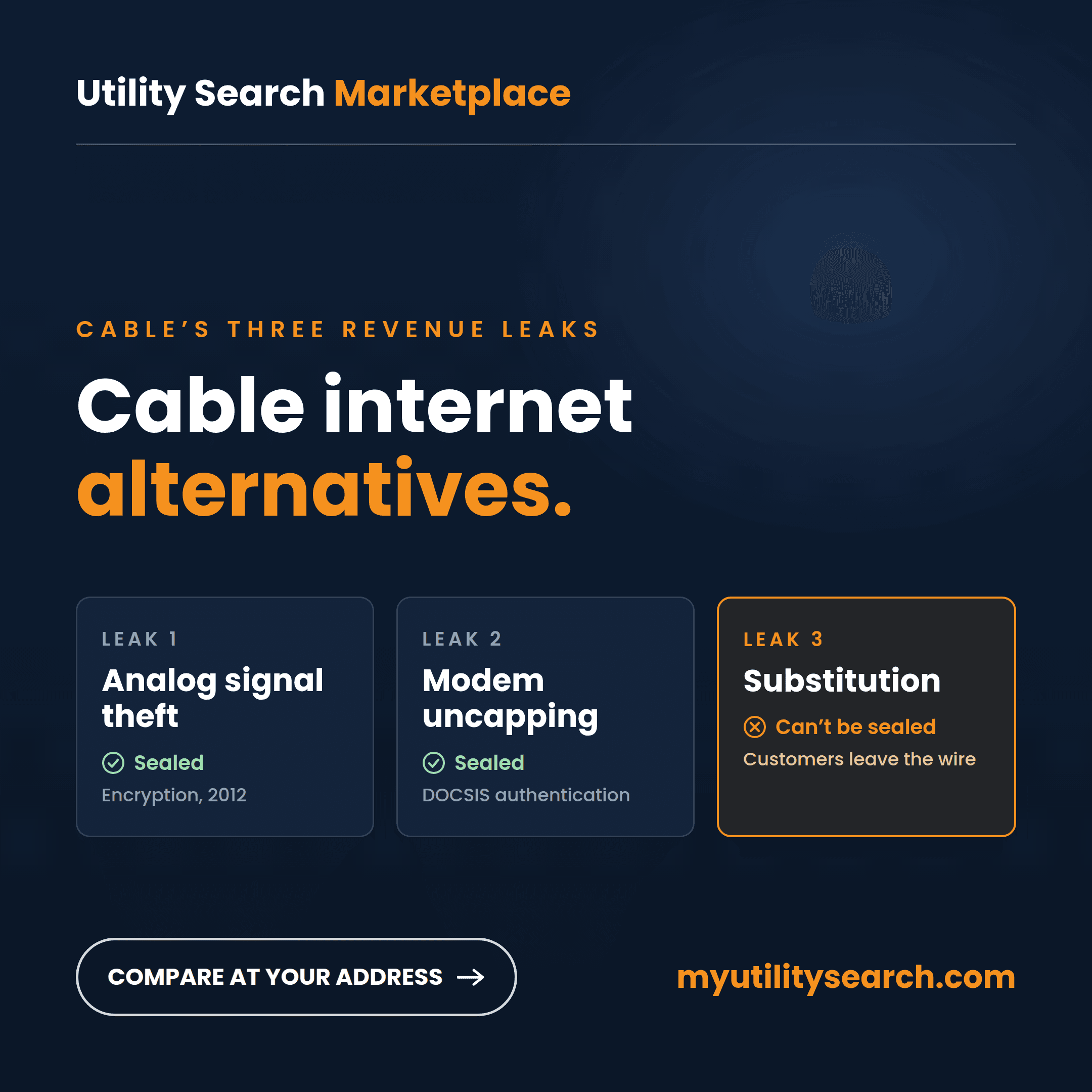
The Three Leaks in the Coax: Cable Internet Alternatives and the One Threat Cable Can’t Encrypt
By Christopher Burg · Last updated: August 2026
The main cable internet alternatives are fiber, 5G home internet (fixed wireless fro...
Best Internet Price Lock Plans 2026: Xfinity, Optimum & Fios Deals Compared
The best internet price lock in 2026 is Xfinity’s 5-Year Price Guarantee — $40/mo for 300 Mbps, $45/mo for 500 Mbps, or $50...
Is 5G Moving the North Pole? Myth vs. Real Science (2026)
.mus-state-cta{background:#f4f7fb;border:1px solid #e3e9f2;border-radius:18px;padding:32px 24px;text-align:ce...
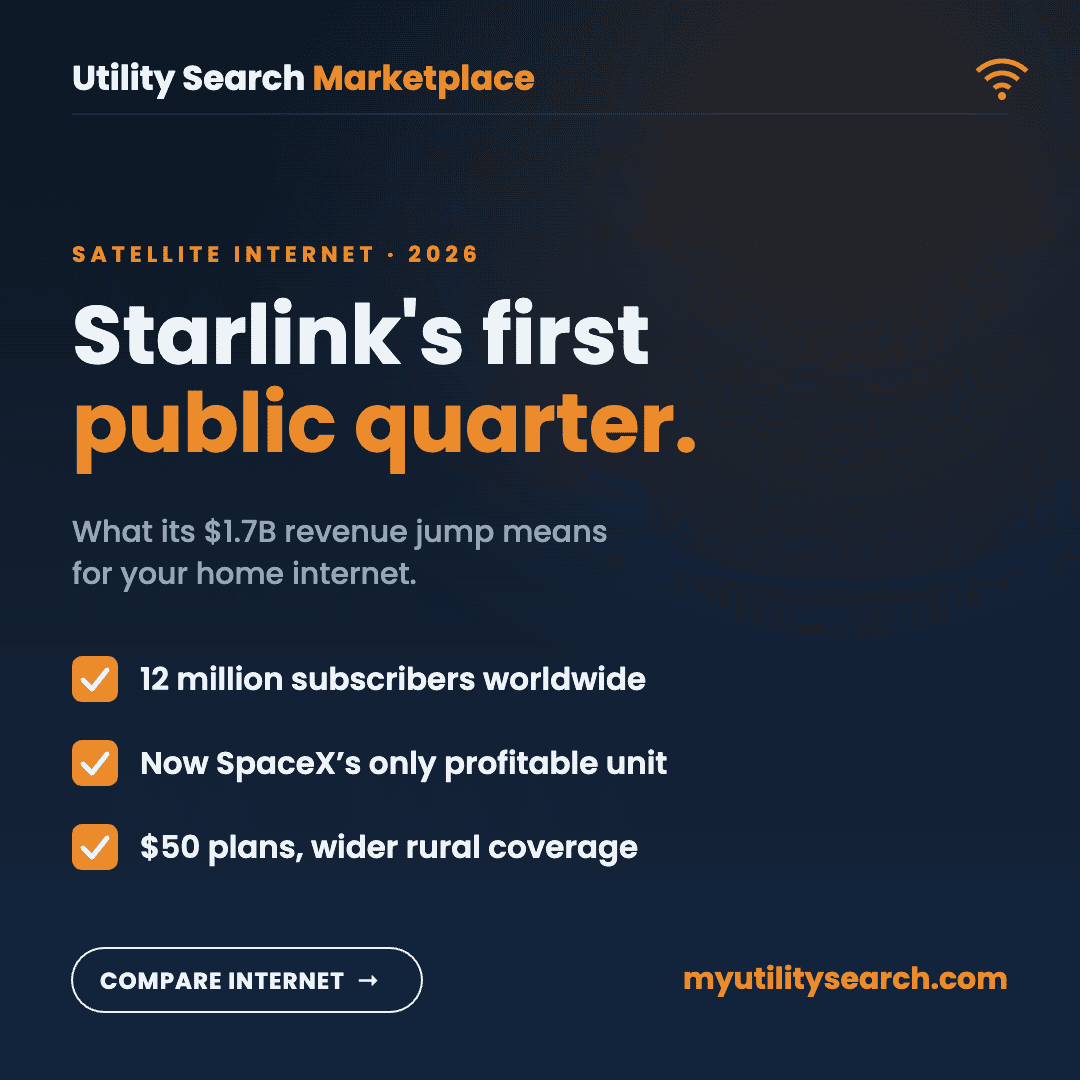
Starlink News 2026: Every Price Increase, Outage, Launch and Filing — Dated
Starlink market share is climbing fast in 2026. See the subscriber numbers, revenue, and what SpaceX's first public earnings mean for your home internet.
One thought on “Cable Internet: How It Works, Speeds & Best Providers”