Blog
Are Electricity Prices Going Up? What 45 Years of Data Shows (2026)

Updated on October 1, 2026
8 min read
Are electricity prices going up? Yes. The U.S. city-average price of electricity reached 19.8¢/kWh in June 2026 — up from about 6.3¢ in 1980 and 13.3¢ in 2010. Prices hit occasional flat stretches, but over 45+ years electricity prices have almost only moved one direction: up. That is why locking a fixed-rate plan is rarely a bad move.
TL;DR — are electricity prices going up?
- U.S. average: 19.8¢/kWh (June 2026, BLS/FRED) — a record high.
- Up roughly 3× since 1980 and about 49% since 2010 in nominal terms.
- The 2015–2021 “flat” stretch came from cheap fracked natural gas — not a lasting trend.
- Deregulated-state prices have risen faster because natural gas sets the market clearing price.
- In a deregulated state, a fixed-rate contract locks your supply price against the next spike.
Are electricity prices going up in 2026?
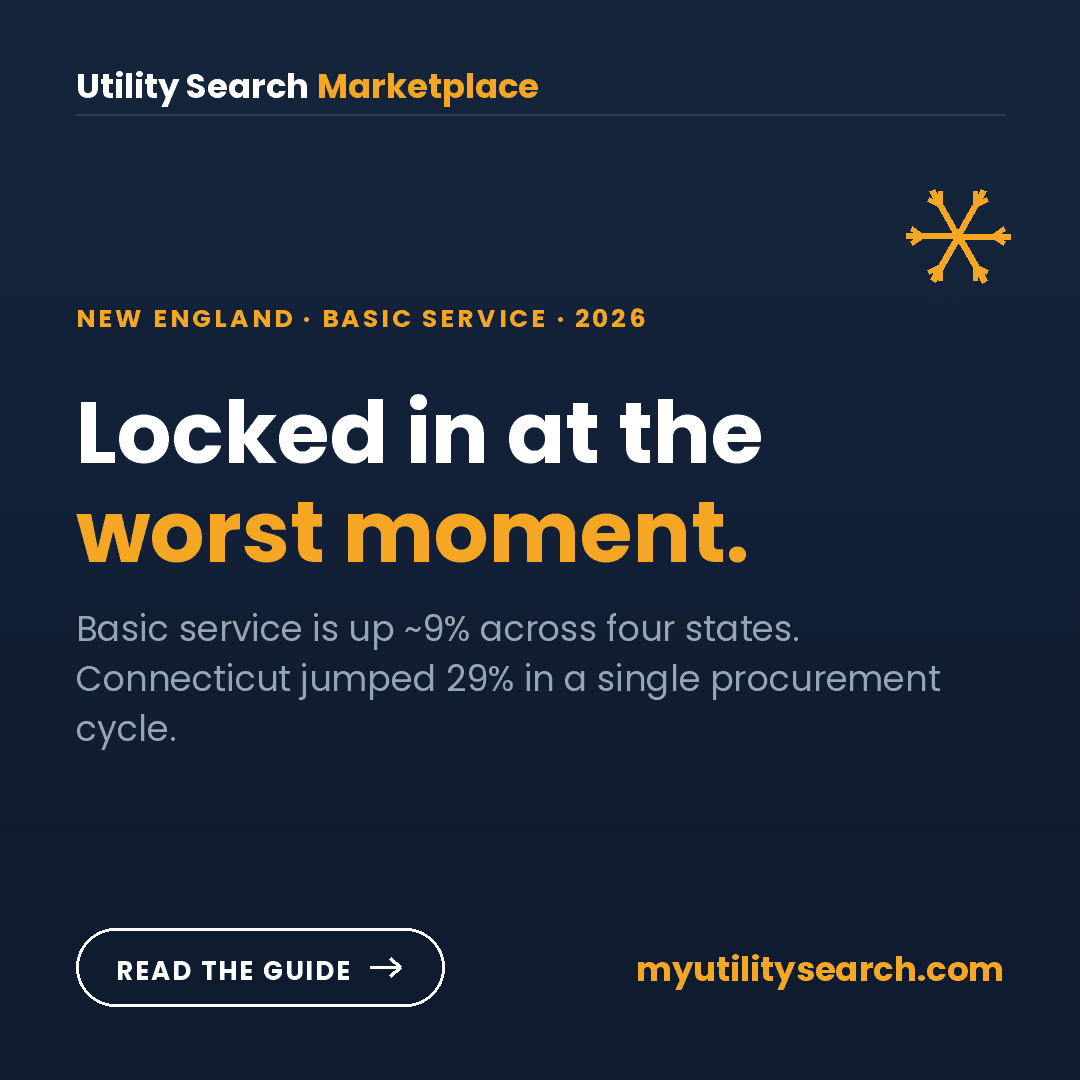
Yes — and 2026 set a new record. The average U.S. residential rate is roughly 17.9–18.4¢/kWh by EIA’s measure, while the broader BLS “U.S. city average” price tracked by FRED hit 19.8¢/kWh in June 2026. Mid-2026 headlines tell the same story: Pennsylvania bills rose about 20% in two years, Rhode Island proposed a 15% winter supply increase, and Massachusetts utilities added about 2¢/kWh in August. When electricity prices are going up this broadly, the question is not if your rate rises, but when.
Forecasts point the same way: with natural-gas-linked pricing, record grid-capacity costs, and AI-driven demand, most analysts expect electricity prices to keep rising — and to grow more volatile — through 2026 and beyond. So “will electricity prices go up?” is really a question of how fast.
For most households the practical takeaway is simple: electricity prices are going up, and waiting for a lasting reversal rarely pays off.
How much have electricity prices gone up over time?
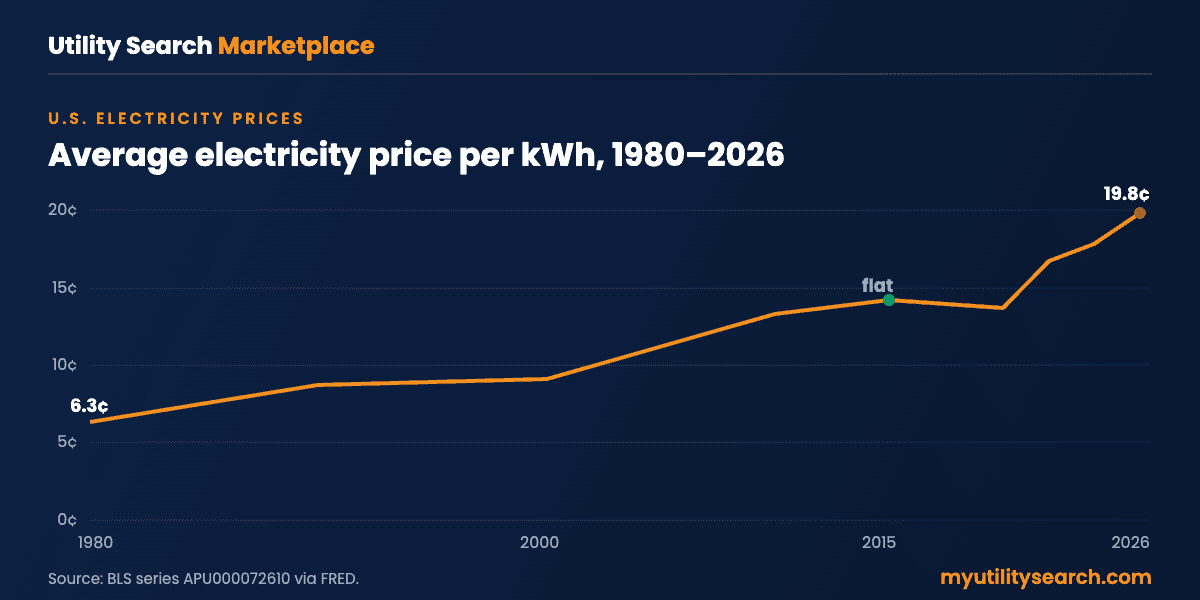
Here is the U.S. city-average price of electricity per kWh at key points since 1980 (BLS series APU000072610, via FRED). The long-run direction is unmistakable.
| Year | Avg. price (¢/kWh) | What was happening |
|---|---|---|
| 1980 | 6.3 | Post-oil-shock energy inflation |
| 1990 | 8.7 | Steady grid build-out |
| 2000 | 9.1 | Pre-deregulation baseline |
| 2010 | 13.3 | Post-2008, pre-shale ramp |
| 2015 | 14.2 | Fracking floods cheap natural gas |
| 2018 | 13.9 | Flat — gas near record lows |
| 2020 | 13.7 | Pandemic demand dip |
| 2022 | 16.7 | Post-COVID and natural-gas spike |
| 2024 | 17.8 | Grid, demand and inflation |
| 2026 | 19.8 | Record high (June 2026) |
Stat: From 1980 to 2026, the U.S. average electricity price rose from about 6.3¢ to 19.8¢/kWh — roughly a 3× increase in nominal terms (BLS/FRED). Adjusted for inflation, prices are up a more modest ~17% over three decades — but they still rarely fall.
Put another way, are electricity prices going up or just tracking inflation? Even adjusted for inflation they have risen, so the rise in electricity prices is real, not a nominal illusion.
Why the “flat” years happened (and why they end)
Electricity prices do have cyclical flat areas. The clearest was 2015–2021, when the U.S. average barely moved and even dipped — from 14.2¢ in 2015 to 13.7¢ in 2020. The cause was the shale boom: hydraulic fracturing crashed natural-gas prices from about $8.86/MMBtu in 2008 to $1.63 in 2016, and because gas often sets the price of electricity, cheap gas kept a lid on rates. When gas normalized and demand rebounded after 2021, the plateau ended and prices resumed climbing. Flat stretches are pauses, not reversals.
Definition — fixed-rate plan: an electricity supply plan that locks your price per kWh for a set term (often 6–36 months), protecting you from mid-contract rate spikes. In deregulated states you choose it from a competitive supplier; the utility still delivers the power and bills the delivery charge.
Why are electricity prices going up?
So, are electricity prices going up because of a single villain? No — three structural forces keep pushing rates higher, and none are going away in 2026:
- Natural gas sets the price. On most grids the last (most expensive) generator needed each hour sets the clearing price for all power — and that marginal unit is usually gas, so gas volatility flows straight to your bill.
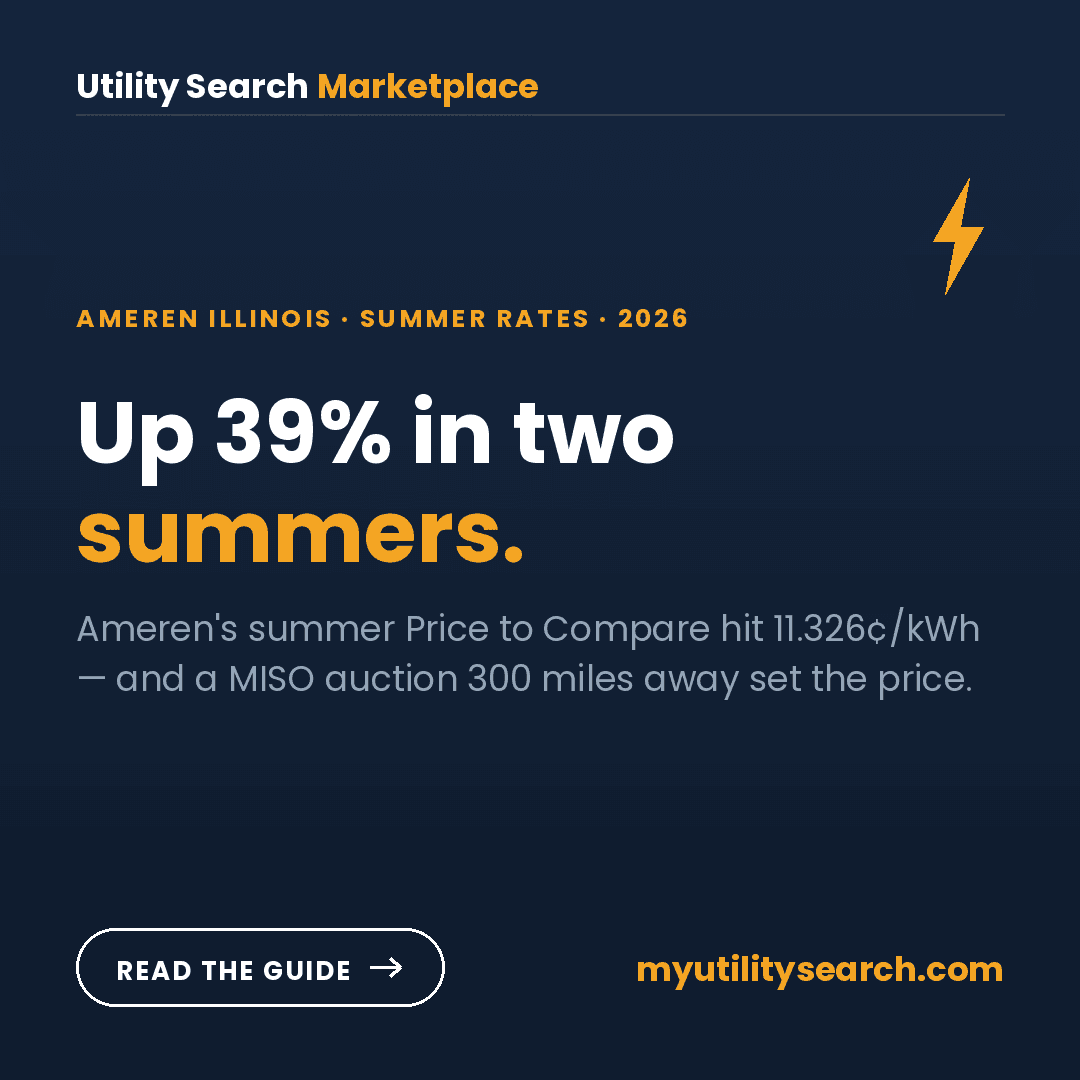
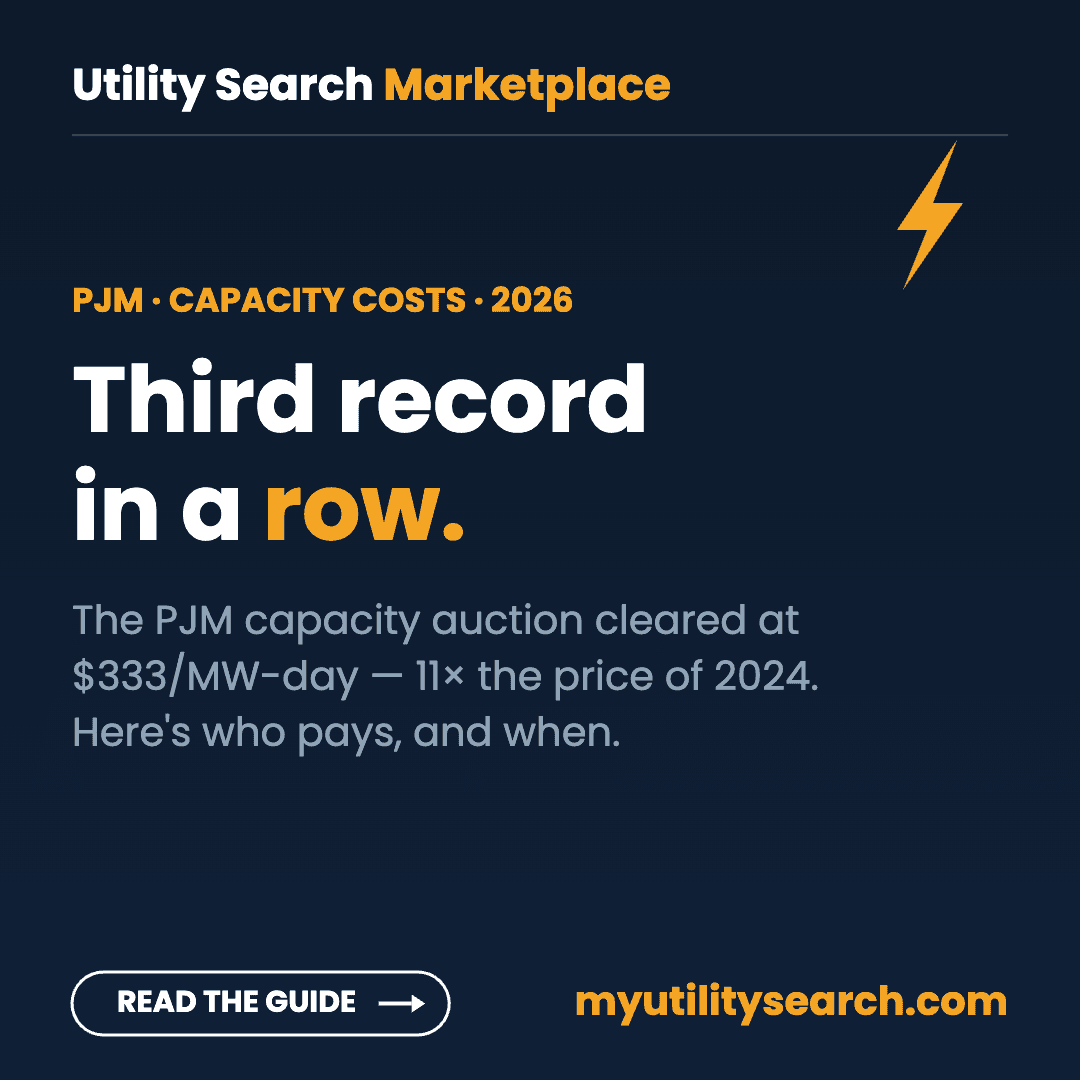
- AI and data-center demand. Surging electricity demand from data centers is tightening supply; PJM, the largest U.S. grid, has posted record capacity prices that utilities pass through to customers.
- Grid investment. Utilities are recovering billions in transmission, storm-hardening, and fuel costs through rate cases — a one-way ratchet on the delivery side of your bill.
Stat: Despite a 2024 federal pledge to cut electricity prices in half within 18 months, U.S. rates were up about 18% when the deadline passed in mid-2026 (Yahoo News, July 2026).
Are deregulated states cheaper — or just more volatile?
Deregulated states can be cheaper if you shop — a competitive supplier often beats the utility’s default rate by 10–20% on the supply portion. But over nearly three decades, deregulated-state prices have actually risen faster than regulated ones, and the gap is now the widest on record, because those markets are the most exposed to natural-gas swings (Hyman & Tilles, OilPrice, June 2026). In competitive markets, electricity prices going up usually arrives as a renewal rate reset. The upside of deregulation is choice; the risk is volatility — which is exactly what a fixed-rate lock neutralizes.
Is it a good time to lock in a fixed-rate electricity plan?
Usually, yes. With electricity prices going up across most of the country, and because you cannot reliably time the bottom, and the cost of being wrong is asymmetric. If you lock and prices dip, you miss modest savings; if you stay variable and prices spike, your bill can jump 20–50% in a single reset. With electricity prices going up structurally, a lock is a hedge, not a gamble. Here is how the two plan types compare:
| Plan type | Price behavior | Best for | Main risk |
|---|---|---|---|
| Fixed-rate | Locked ¢/kWh for the full term | Budget certainty; hedging against spikes | Early-termination fee if you leave early |
| Variable-rate | Changes month to month with the market | Short-term flexibility; expecting price drops | Unlimited upside — can spike without warning |
How to protect yourself from rising electricity prices
So, are electricity prices going up faster than you can offset them? Not if you act early. You cannot control the market, but in a deregulated state you control your supply rate. A few practical moves when electricity prices are going up:
- Lock a fixed rate before peak season. Supply rates typically reset higher heading into summer and winter — shop before the reset, not after.
- Compare the all-in price. Weigh the supply rate plus monthly fees and the delivery charge, not just the teaser ¢/kWh.
- Mind the contract end date. When a fixed term expires you are often rolled onto a pricier variable rate — set a reminder and re-shop.
- Check your address. Available plans and rates are hyper-local; the only number that matters is the one offered at your home.
One honest caveat: prices are not going up everywhere every month. Some regulated utilities cut rates when fuel costs fall — Duke Energy Florida, for example, issued three rate reductions in 2026 as storm and fuel charges rolled off. But those cuts are utility-driven and temporary; the multi-decade national trend is still up and to the right.
Bottom line — are electricity prices going up? Yes. The U.S. average has climbed from about 6.3¢ in 1980 to a record 19.8¢/kWh in 2026, with only brief pauses. Because electricity prices are going up structurally — gas-set pricing, AI demand, and grid upgrades — locking a fixed rate before the next seasonal reset is the lowest-risk move for most households.
Are electricity prices going up? FAQ
Are electricity prices going up in 2026?
Yes, electricity prices are going up. The U.S. city-average price hit a record 19.8¢/kWh in June 2026 (BLS/FRED), and multiple states posted double-digit increases, including Pennsylvania (about +20% over two years) and Rhode Island (a proposed +15% for winter).
How much have electricity prices risen since 2010?
The U.S. average climbed from about 13.3¢/kWh in 2010 to 19.8¢ in 2026 — roughly a 49% nominal increase in 16 years.
Why are electricity prices rising even when natural gas is sometimes cheap?
Because gas price volatility, record grid-capacity prices driven by AI and data-center demand, and utility rate cases for grid upgrades all push rates up. Cheap gas can pause increases (as it did in 2015–2020) but does not reverse the long-run trend.
Will electricity prices ever go down?
Occasionally and locally — some regulated utilities cut rates when fuel costs fall, and cheap natural gas flattened prices for years. But nationally, electricity prices have almost only gone up over 45+ years, so waiting for a lasting drop is a losing bet.
Does locking a fixed-rate plan actually save money?
A fixed rate mainly buys certainty and protects you from spikes; it may not always beat a variable rate in a falling market. In deregulated states where prices are volatile, locking before a seasonal reset is usually the lower-risk choice.
Why are electricity prices going up so much?
Natural gas sets the market clearing price on most grids, AI and data-center demand is driving record grid-capacity prices, and utilities keep recovering grid and fuel costs through rate cases. Together those forces push the average rate to new highs.
What is a good fixed rate for electricity?
A good fixed rate is one below your state’s current average — often under about 15–16¢/kWh in many deregulated markets in 2026, versus the ~17.9–19.8¢ national average. Compare the all-in price (supply plus fees and delivery), and lock before a seasonal reset.
Keep going
- Which states have deregulated electricity (and can you switch)?
- Why is my electric bill so high? Where the money goes
- Texas electricity rates: how to find the cheapest plan
- Ohio electricity rates and the price-to-compare
- New York energy suppliers (ESCOs) explained
- Commercial electricity rates by state